Singer Zé Felipe Faces Investigation Over Child's Sexually Suggestive Remark
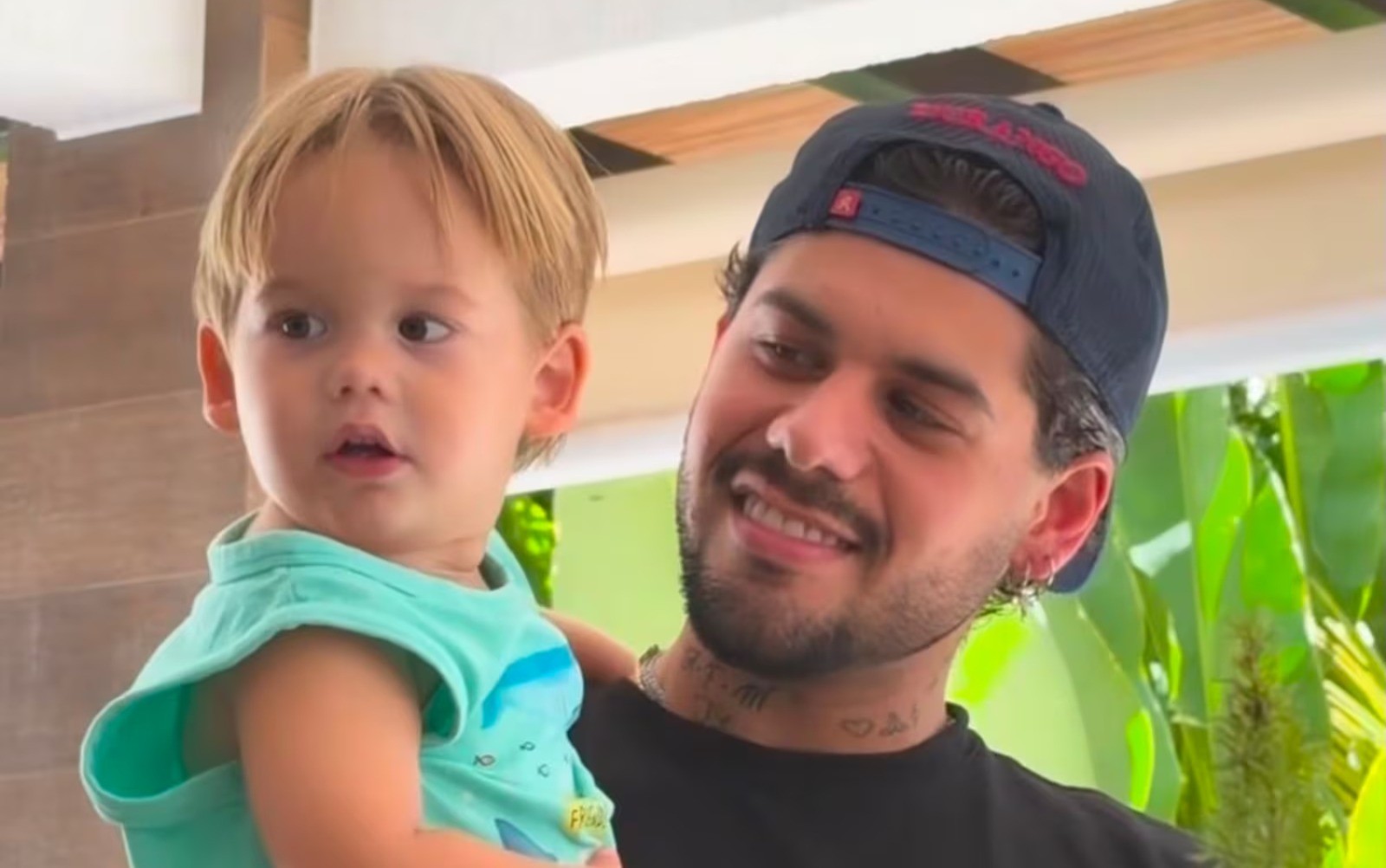
Brazilian singer Zé Felipe is under investigation by the Public Prosecutor's Office in Goiânia, Goiás, following a video that has drawn public criticism. The video reportedly shows the singer encouraging his nearly two-year-old son, Zé Leonardo, to repeat a sexually suggestive phrase. In the clip, individuals are heard asking the child what he would give "to the girls," prompting the phrase "pau" (which can refer to a penis in Portuguese) to be uttered, and subsequently repeated by the child. The incident has sparked outrage on social media, with many users condemning the singer's actions. Writer Jarid Arraes was among those who publicly called for Zé Felipe to be reported to the national human rights hotline, Disque 100. The Public Prosecutor's Office confirmed on Friday, May 31st, that a formal complaint has been filed and is being handled by the 11th Prosecutor's Office of Goiânia. Attempts by the news outlet g1 to reach Zé Felipe's representatives for comment were unsuccessful as of the report's last update.
This situation highlights the critical intersection of public figures' online conduct and child welfare concerns. The incident prompts reflection on the responsibilities associated with influencing young children, particularly in the context of viral social media content. It underscores the potential for seemingly innocuous online interactions to escalate into formal investigations when they touch upon sensitive issues like child exploitation or inappropriate exposure. The swiftness of the denunciation and the involvement of the Public Prosecutor's Office suggest a societal intolerance for actions perceived as potentially harmful to minors, especially when amplified through digital platforms. Future considerations might involve greater awareness and education around the long-term implications of content shared involving children, and the evolving legal frameworks governing digital parenting and online safety.
AI-generated to prompt reflection — not editorial opinion, not advice, not a statement of fact. How this works.