Singhi Fish: The Venomous Sting and Its Dual Nature
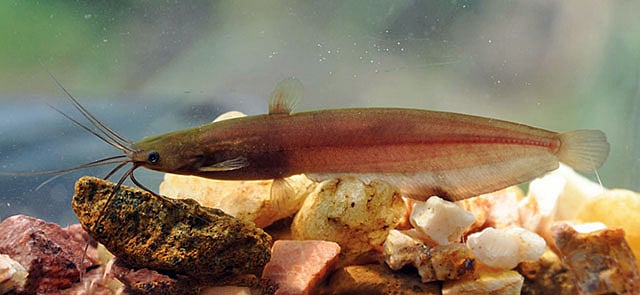
The sting of the Singhi fish, a common freshwater species in Bangladesh, delivers potent venom that causes intense, electric-shock-like pain. This venom originates from specialized cells clustered at the base of the spines in its pectoral and dorsal fins, rather than from a sophisticated glandular system. Upon puncturing the skin, these cells release toxins that can lead to symptoms beyond mere pain, including numbness, dizziness, swelling, rapid heart rate, and a dangerous drop in blood pressure. Scientists explain that the venom's protein structure can be denatured by heat, making immersion of the wound in hot water an effective, albeit painful, initial remedy. This folk practice aligns with scientific understanding of how to neutralize the venom's effects.
The Singhi fish presents a fascinating case study in evolutionary adaptation, possessing both a potent defense mechanism and a remarkable survival strategy. Its venomous spines, while a hazard to humans, serve as a crucial deterrent against predators. Simultaneously, its ability to extract oxygen directly from the air allows it to thrive in oxygen-depleted aquatic environments, a significant advantage in fluctuating water conditions. This dual nature, where the same organism can be both a source of danger and a nutritious food source, highlights the complex interplay of survival pressures. Understanding these biological mechanisms can inform public health strategies and potentially lead to novel biotechnological applications, while also underscoring the importance of respecting the natural world's inherent risks and adaptations.
AI-generated to prompt reflection — not editorial opinion, not advice, not a statement of fact. How this works.
