Sinop City Hall Employees Targeted in Corruption Probe Over Building Permits
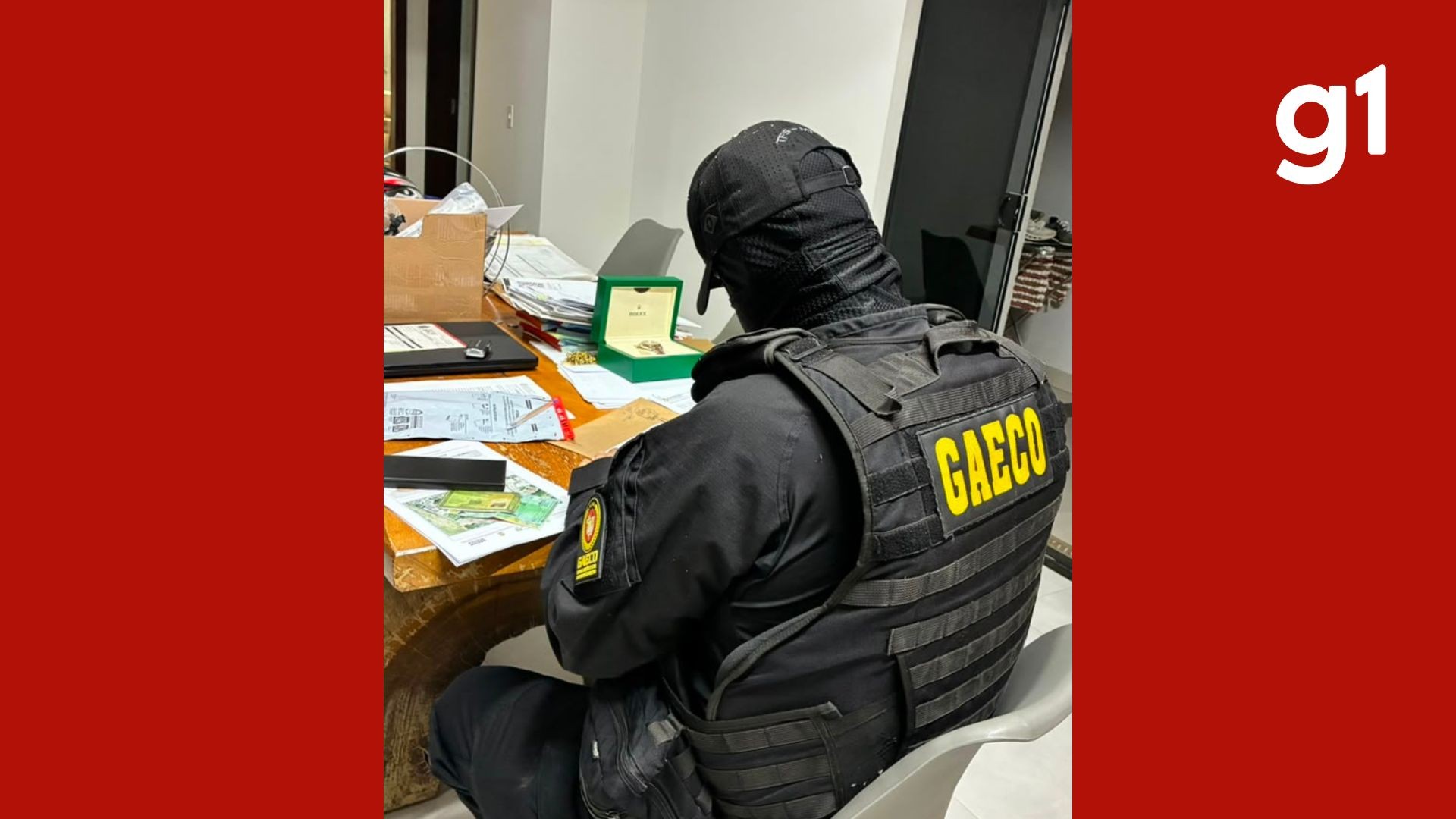
Authorities in Sinop, Mato Grosso, Brazil, launched "Operação Mãos à Obra" (Operation Hands-On) on Tuesday, May 28th, to investigate an alleged corruption scheme involving municipal employees. The operation, led by the Special Action Group Against Organized Crime (Gaeco), is looking into accusations that permanent civil servants accepted undue payments to expedite the approval of construction projects and other administrative processes. Three search and seizure warrants were executed, targeting servers working in the city's inspection department. Investigations suggest these employees solicited bribes to speed up the processing and approval of projects related to the Municipal Secretariat of Urban Planning and Housing. During the operation, officials seized mobile phones, documents, engineering plans, and other materials deemed crucial for the investigation. The collected evidence will be analyzed by Gaeco teams to gather proof and determine the extent of the alleged favoritism within the municipal administration. The Sinop City Hall stated that the Gaeco investigation specifically involves two building inspectors from the Secretariat of Urban Planning and Housing, asserting no connection to the broader activities of the secretariat. The municipality confirmed its cooperation with the operation and reiterated its commitment to legality and transparency in public administration.
This operation highlights the persistent challenge of corruption in public administration, particularly concerning the expedited approval of development projects. The investigation into alleged bribery by municipal inspectors in Sinop points to potential systemic vulnerabilities within the urban planning and housing secretariat. Such schemes can distort market competition by favoring certain developers and may lead to substandard construction due to bypassed regulations. Moving forward, strengthening oversight mechanisms, implementing transparent digital workflows for permit applications, and fostering a culture of integrity through robust whistleblower protections could mitigate these risks. The long-term implications involve public trust in governance and the equitable development of urban infrastructure, which are critical for sustainable growth in the coming decade.
AI-generated to prompt reflection — not editorial opinion, not advice, not a statement of fact. How this works.