Sirimavo Bandaranaike: Sri Lanka's Trailblazing First Female Prime Minister
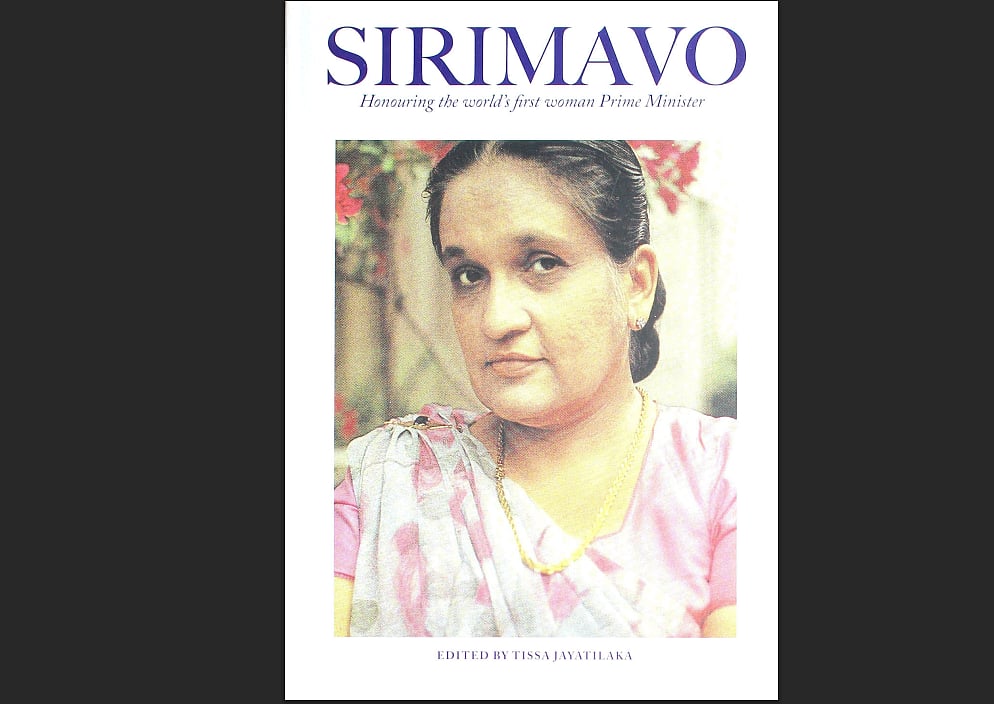
Sirimavo Bandaranaike made history on July 21, 1960, when she was sworn in as Prime Minister of Sri Lanka, becoming the world's first female head of government. This was a groundbreaking moment, as no Western democracies like the UK, US, France, or Germany had yet elected a female leader. Bandaranaike entered politics following the assassination of her husband, Prime Minister Solomon Bandaranaike, in September 1959. Despite initial skepticism and being derisively called the 'crying widow,' she assumed leadership of the Sri Lanka Freedom Party (SLFP) and led it to victory in the 1960 general election. Her first term saw the implementation of socialist economic policies, including nationalization of key industries and services, and the promotion of Buddhism and the Sinhala language. However, the language policy led to significant discontent among the Tamil minority, resulting in unrest and a state of emergency. Internationally, Bandaranaike pursued a non-aligned foreign policy, advocating for developing nations and proposing the Indian Ocean as a 'Zone of Peace.' She nationalized British and US-owned oil companies, facing economic repercussions but remaining firm in her policy. Her first term concluded with her party's defeat in the 1965 elections due to economic challenges like foreign exchange shortages and rationing. She returned to power in 1970, leading a United Front coalition. During her second term, she further increased state control over the economy, nationalized tea and rubber plantations, and implemented land reforms. A significant event was the transformation of Ceylon into a republic named Sri Lanka in 1972, severing its remaining constitutional ties with the British monarchy. This period also saw an armed insurgency by the Janatha Vimukthi Peramuna (JVP) in 1971, which was suppressed with international assistance. While Bandaranaike's policies strengthened Sinhala nationalism and Buddhism, they also contributed to the marginalization of the Tamil population, laying the groundwork for future ethnic conflict. Her leadership during the Cold War solidified her international standing as a key figure in the Non-Aligned Movement.
Sirimavo Bandaranaike's ascent to prime minister in 1960 marked a significant global milestone for female leadership, predating similar advancements in established Western democracies. Her tenure was characterized by ambitious state-led economic policies, including nationalization, and a strong commitment to non-alignment during the Cold War. However, these policies, particularly those prioritizing Sinhala language and Buddhism, also sowed seeds of ethnic division, contributing to long-term internal conflict. The structural tensions between nationalistic aspirations and minority rights, alongside the economic trade-offs of state control versus market liberalization, offer enduring lessons for governance in diverse nations. Her legacy highlights the complex interplay between pioneering social progress and the potential for unintended societal fragmentation when national identity is narrowly defined.
AI-generated to prompt reflection — not editorial opinion, not advice, not a statement of fact. How this works.