Six Amapá Municipalities Prioritized for Drought Response in 2026
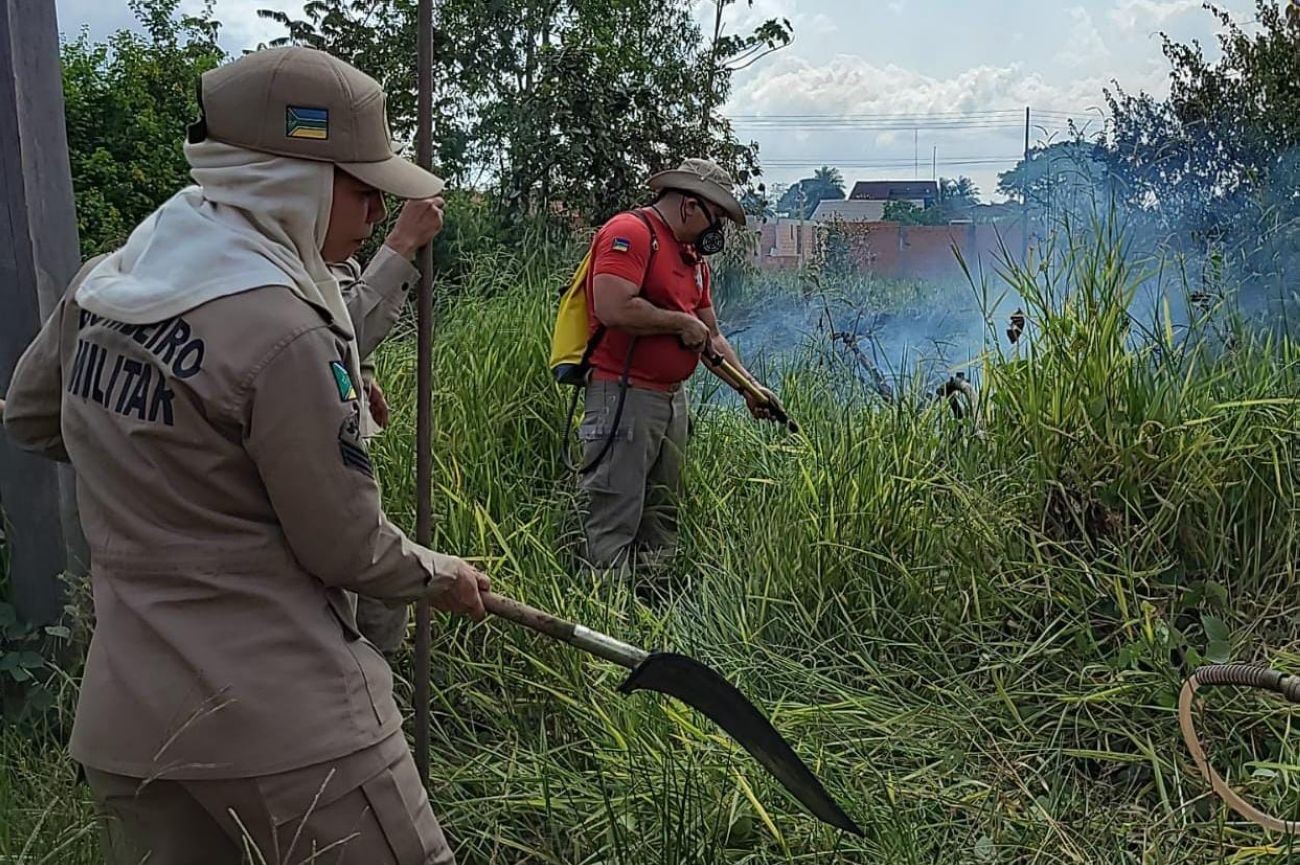
Six municipalities in the Brazilian state of Amapá—Oiapoque, Calçoene, Amapá, Ferreira Gomes, Mazagão, and Porto Grande—are under enhanced environmental monitoring by the State Secretariat for the Environment (Sema) due to drought conditions. These areas have been designated as priorities for 2026 based on environmental data, with drought season typically beginning in August. This year, the Civil Defense anticipates a more intense dry season, posing risks of severe droughts and forest fires across various regions. The alert also considers the World Meteorological Organization's forecast of extreme El Niño effects extending until August, a phenomenon known to alter global climate patterns due to Pacific Ocean warming. Marcos Almeida, director of Sema, highlighted Mazagão as a key area of concern, noting its historical issues with deforestation and heat outbreaks. Sema plans to conduct monthly monitoring and statistical analysis for decision-making, particularly in Mazagão. These efforts are part of the 2026-2030 Prevention and Control Plan for Deforestation, Burning, and Forest Fires (PPCDAP), launched in September 2025. This comprehensive plan aims to guide state secretariats on regional actions and priorities, incorporating strategies to reduce deforestation, fires, and strengthen environmental governance and sustainable development. Marcos Almeida reported that the plan has already yielded positive results, including a 62% reduction in heat outbreaks and a decrease in the deforestation rate, positioning Amapá with the lowest deforestation rate in Brazil. A specific target is to reduce deforestation from 15 km² to 12 km² by 2030.
The prioritization of six Amapá municipalities for drought response in 2026, framed within the PPCDAP plan, reflects a proactive governmental strategy to mitigate environmental risks exacerbated by climate phenomena like El Niño. The plan's emphasis on data-driven decision-making and inter-secretariat collaboration, coupled with reported successes in reducing deforestation and heat outbreaks, suggests a potentially effective governance model. However, the long-term efficacy will depend on sustained resource allocation, adaptive management in the face of unpredictable climate shifts, and the integration of local community resilience strategies. As climate change intensifies, such integrated environmental management plans will become increasingly critical for safeguarding vulnerable regions and ensuring sustainable development pathways.
AI-generated to prompt reflection — not editorial opinion, not advice, not a statement of fact. How this works.