Six critically endangered marmoset pups born at the world's only dedicated conservation center
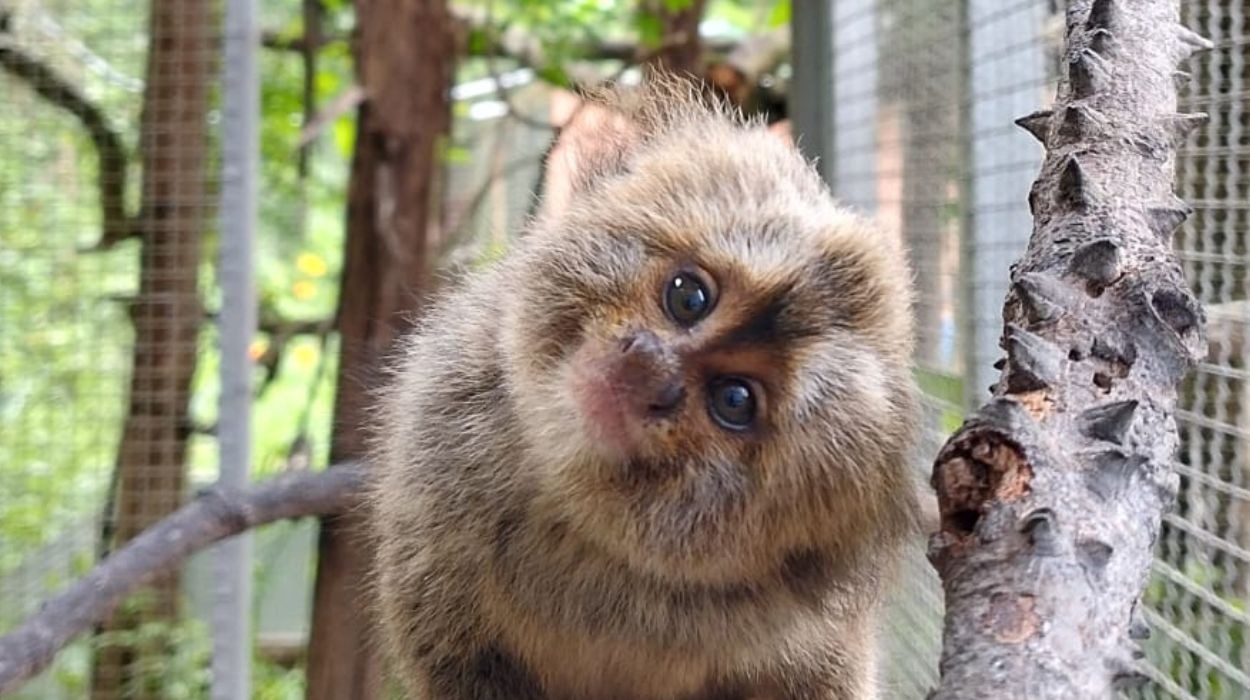
The Center for the Conservation of Marmosets (CCSS) in Viçosa, Minas Gerais, Brazil, has announced the birth of six rare Brazilian marmoset pups, offering a glimmer of hope for the critically endangered species. This center is the sole institution globally focused on the management of the marmoset-da-serra (Callithrix flaviceps), a primate endemic to the Atlantic Forest and facing extinction. For five years, the CCSS team, affiliated with the Federal University of Viçosa (UFV), has been working to conserve two threatened species: the marmoset-da-serra-escuro (Callithrix aurita) and the marmoset-da-serra (Callithrix flaviceps). Their efforts include field activities, management, and clinical care aimed at increasing survival chances in the wild through a safety population and strategies to mitigate threats like hybridization.
These recent births are particularly significant, as the marmoset-da-serra is listed as critically endangered nationally. The current births bring the CCSS's marmoset-da-serra population to 15 individuals, with plans to form four family groups. This captive population serves as a genetic diversity safeguard and an emergency resource for potential reintroduction into the wild. However, the center faces challenges, including a parasite (Prostenorchis spp.) transmitted by invertebrates, which has proven difficult to treat with conventional methods and has caused some fatalities. The CCSS is exploring surgical interventions and other novel therapeutic strategies to combat this zoonotic threat. The center also manages a population of nearly 200 hybrid individuals through sterilization to preserve genetic integrity and maintains the world's largest population of marmoset-da-serra-escuro (35 individuals), with experimental reintroduction planned for 2027.
The successful breeding of critically endangered marmosets at the CCSS highlights the vital role of specialized conservation centers in preserving biodiversity. The center's dual focus on captive breeding and addressing emerging threats like parasitic zoonoses demonstrates a comprehensive approach to species survival. The challenge of treating the Prostenorchis spp. parasite underscores the need for continued research into novel veterinary interventions, particularly for species with limited wild populations where clinical treatments are not well-established. The CCSS's strategy of maintaining a secure captive population, as supported by ICMBio's population management plans, serves as a crucial buffer against catastrophic population declines in the wild, offering a long-term perspective for species recovery in the face of habitat loss and disease.
AI-generated to prompt reflection — not editorial opinion, not advice, not a statement of fact. How this works.