Six of Eight World Cup Quarterfinalists are European, Highlighting Continental Dominance
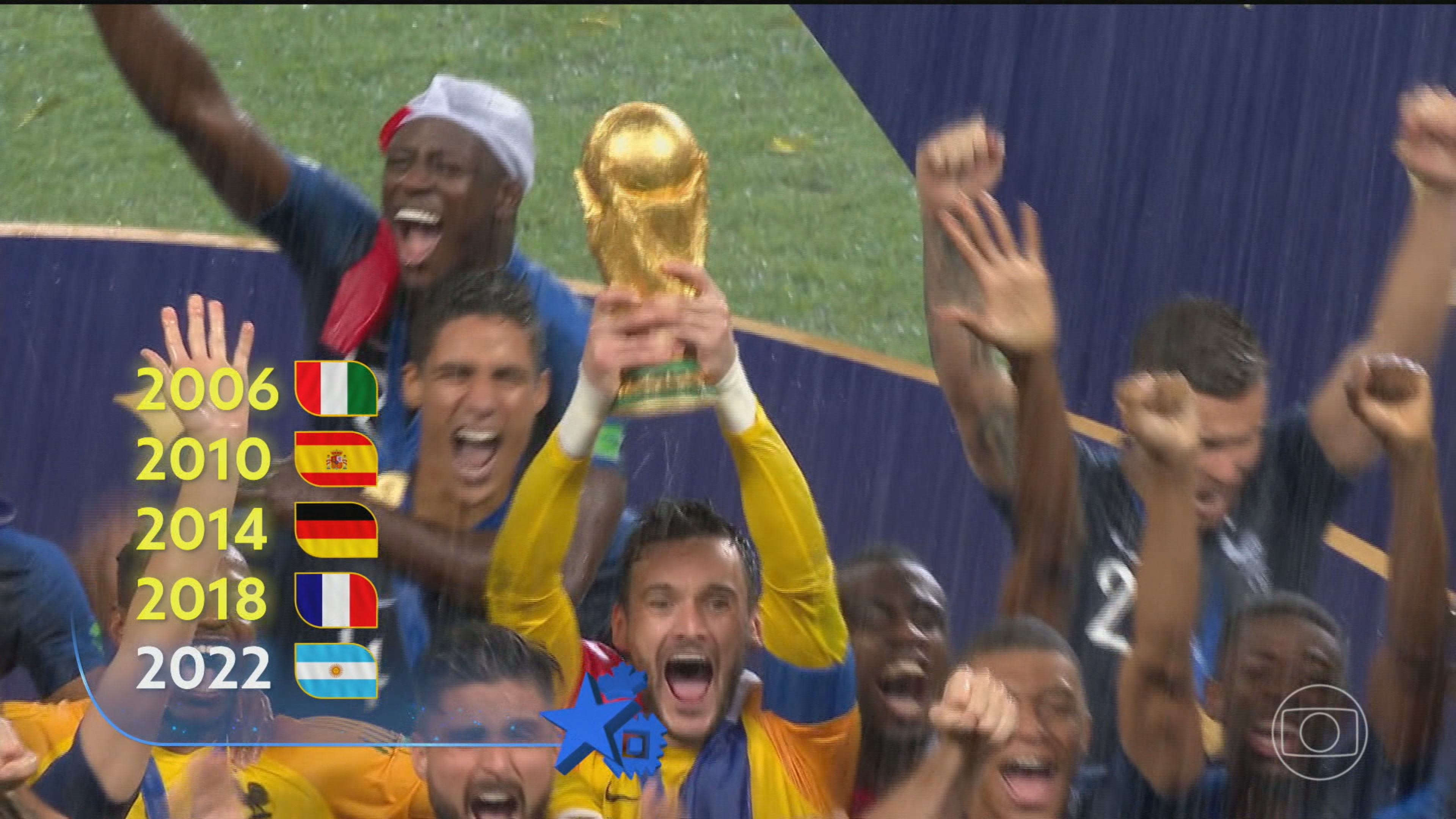
Six out of the eight national teams that have advanced to the quarterfinals of the World Cup are from Europe, underscoring a significant continental dominance in the tournament. This marks the worst performance for South American countries in a World Cup since 2002, with only Argentina, the reigning champion, remaining among the final eight. Three South American teams were eliminated by European opponents in the round of 16. Commentator Caio Ribeiro attributes this European prominence to the concentration of financial investment, top players, and major leagues within Europe. This trend of European success has been ongoing for two decades, with European nations winning four of the last five World Cups. Commentator Roger Flores suggests that European players exhibit better mental control and emotional stability during matches, contrasting this with the more passionate, and sometimes psychologically vulnerable, South American teams. Despite the challenges, Argentina is set to face Switzerland, with Lionel Messi demonstrating a strong record against European teams. The current situation sees Europe firmly established as the leading football power, with at least two European nations guaranteed a spot in the semifinals and the potential for an all-European final if Argentina and Morocco are eliminated. This consolidation of European football power is evident in the increasing number of European teams reaching the quarterfinals in recent World Cups.
The current World Cup quarterfinals showcase a notable European dominance, with six of the eight participating nations hailing from the continent. This outcome reflects long-term trends in global football, driven by significant investments in infrastructure, player development, and tactical innovation within European leagues. While South American teams historically contended strongly, their reduced representation suggests a potential shift in competitive balance, possibly influenced by player migration and differing developmental philosophies. The analysis from commentators points to a perceived difference in psychological resilience between European and South American players, though this is a subjective interpretation. Moving forward, the challenge for non-European footballing nations lies in adapting to evolving global standards without sacrificing their unique playing styles and cultural heritage. The sustained success of European football raises questions about the future of global football parity and the strategies required for other confederations to compete effectively in upcoming tournaments.
AI-generated to prompt reflection — not editorial opinion, not advice, not a statement of fact. How this works.