Six Police Officers Targeted in Salvador Double Homicide Investigation
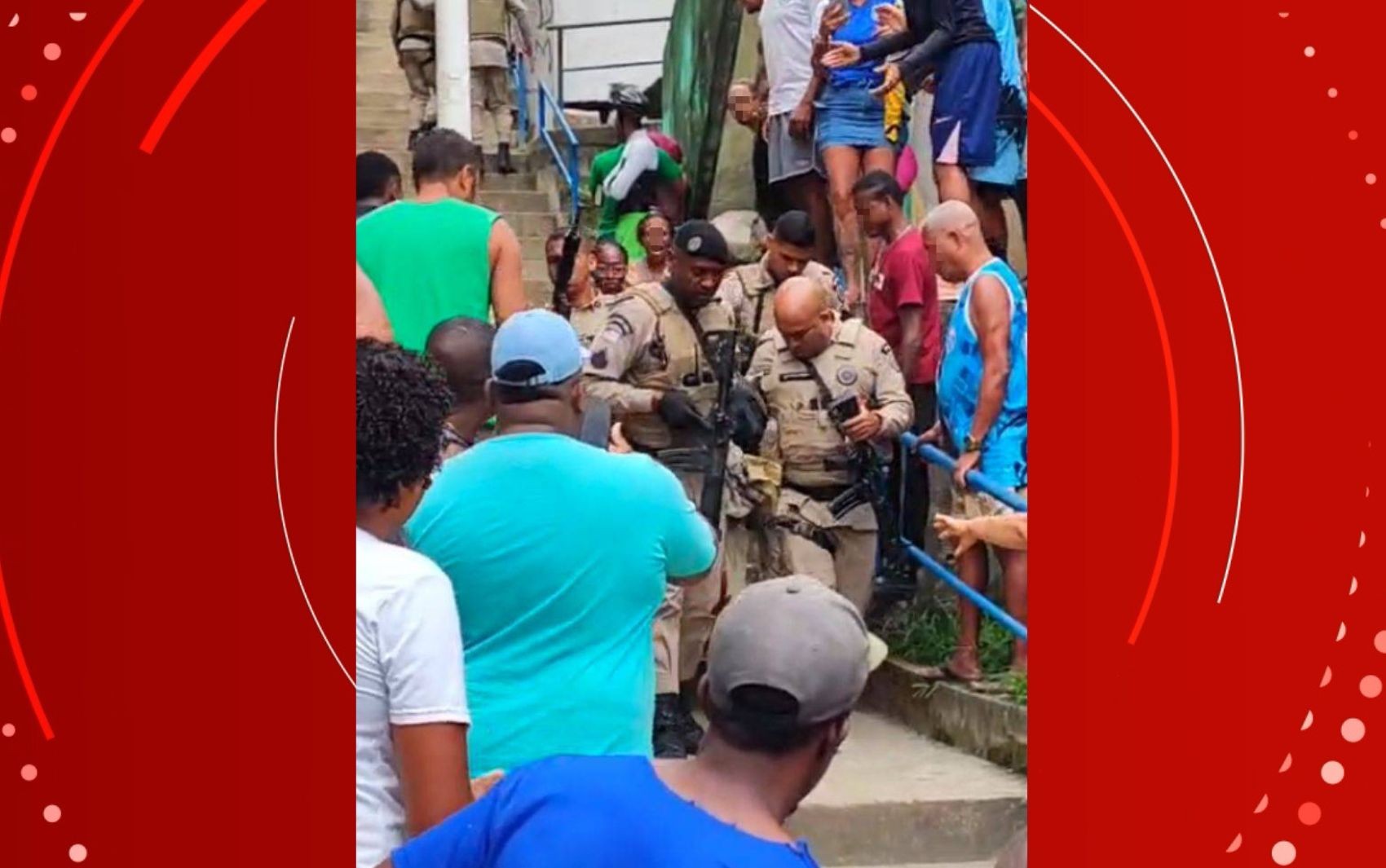
Six military police officers are under investigation in Salvador, Brazil, as part of "Operation Vinculum," launched by the Bahia Public Prosecutor's Office (MP-BA) on Friday, May 17th. The operation, conducted in conjunction with the Secretariat of Public Security (SSP-BA) and the Military Police, aims to gather further evidence for the ongoing inquiry. Three suspects were arrested as of the latest update. The officers are suspected of involvement in the deaths of 16-year-old Kaíque Reis dos Santos and 21-year-old Mateus Daniel Chagas da Silva. These individuals died during a police operation in the São Marcos neighborhood in September 2025. The MP-BA alleges that the victims were executed and that the crime scene was tampered with, contradicting the police's initial report of an armed confrontation. The investigation, led by the Special Public Security Operational Action Group (Geosp), points towards qualified homicide and procedural fraud. The judicial orders are being executed in Salvador and Lauro de Freitas, targeting residences and workplaces of the officers, with warrants issued by the 2nd Court of the 2nd Jury Court of the capital. The police's initial account stated that officers encountered armed individuals who fired first, leading to a shootout. However, residents contested this narrative, with a video circulating showing the victims being carried away by police while locals protested. The mother of Kaíque stated her son was a student and employed, denying any criminal involvement and claiming he complied with police orders before being shot. Following the incident in September 2025, the involved officers were initially removed from operational duties and underwent psychological support and individual interviews, with investigations proceeding both administratively and criminally. This new operation signifies a significant advancement in the criminal investigation, nearly ten months after the deaths.
This operation highlights the critical need for robust oversight mechanisms within law enforcement agencies, particularly in contexts where initial accounts of fatal encounters are disputed by community members and evidence. The allegations of execution and tampering with the crime scene suggest a potential breakdown in adherence to established protocols for use of force and evidence preservation. Moving forward, focusing on strengthening independent investigative bodies and ensuring transparent access to evidence for judicial review will be crucial. The long-term implications involve rebuilding public trust and potentially re-evaluating training and accountability frameworks to align with evolving standards of policing and human rights, especially as AI-powered surveillance and data analysis become more prevalent in law enforcement, demanding even greater scrutiny of data integrity and procedural fairness.
AI-generated to prompt reflection — not editorial opinion, not advice, not a statement of fact. How this works.