Six-Year-Old Discovers Roman Coin While Digging at Kindergarten
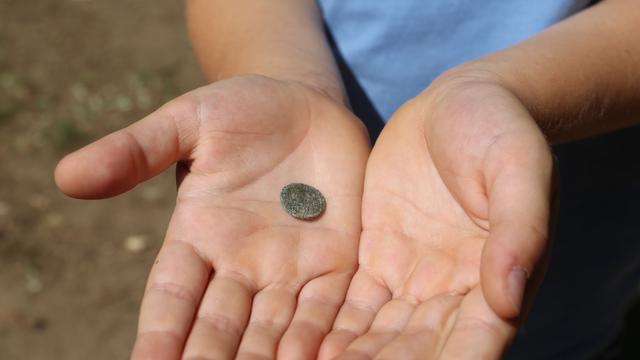
A six-year-old child made a surprising discovery while playing in the sandbox at a kindergarten in Germany. The child unearthed a Roman coin while digging. The kindergarten is located in the town of Wörrstadt, Rhineland-Palatinate. The coin has been identified as a denarius from the Roman Empire. It is estimated to be around 1,800 years old. This type of coin was commonly used during the Roman period. The discovery has generated excitement among the children and staff at the kindergarten. It highlights the potential for historical artifacts to be found in unexpected places. Further investigation into the coin's origin and significance is likely to follow. The kindergarten plans to display the coin for educational purposes.
The discovery of an ancient Roman coin by a young child in a seemingly ordinary setting underscores the pervasive presence of history beneath the surface of modern life. Such finds, while often serendipitous, can serve as powerful educational tools, fostering curiosity and a tangible connection to the past for younger generations. From a systemic perspective, this event prompts consideration of how archaeological heritage is integrated into public spaces, particularly those frequented by children. It also highlights the potential for citizen science and community engagement in uncovering and preserving local history, suggesting opportunities for enhanced collaboration between educational institutions and cultural heritage organizations to identify and safeguard such artifacts.
AI-generated to prompt reflection — not editorial opinion, not advice, not a statement of fact. How this works.