SK Group Chairman Warns of Memory Shortage Chaos, Eyes US Investment
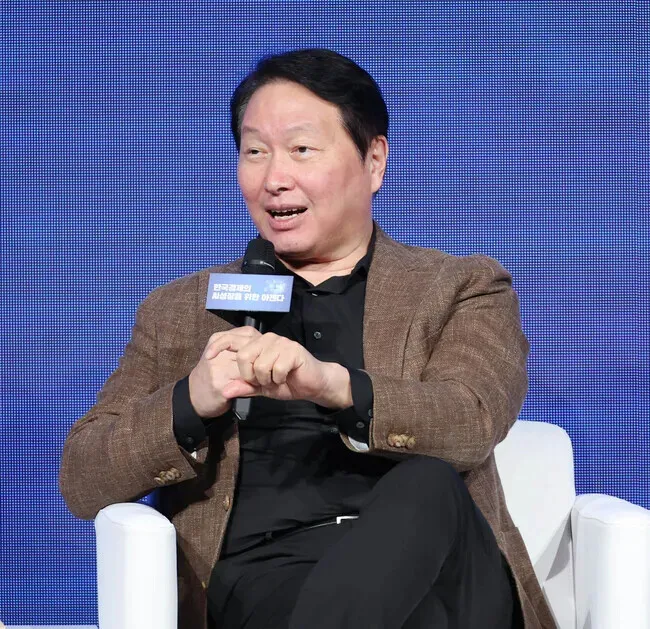
SK Group Chairman Chey Tae-won has described the current global memory shortage as "utter chaos," signaling potential significant investments in the United States. He expressed strong concerns about the escalating semiconductor supply chain disruptions, which are impacting various industries worldwide. The chairman indicated that SK Group is actively considering substantial capital expenditures in the US to address these challenges and secure future supply. This move could involve building new manufacturing facilities or expanding existing operations to bolster production capacity. The specific details of the planned investments were not disclosed, but the chairman's remarks suggest a strategic pivot towards strengthening SK's presence in the North American market. The company's proactive stance aims to mitigate the impact of the shortage and capitalize on opportunities within the US semiconductor ecosystem. This potential investment underscores the critical nature of semiconductor supply chains and the global race to secure advanced manufacturing capabilities.
The chairman's characterization of the memory shortage as "utter chaos" highlights the systemic fragility within global semiconductor supply chains. This situation presents a critical juncture for major players like SK Group, compelling strategic decisions regarding geographic diversification of manufacturing and investment. The potential US investment, if realized, could be driven by a confluence of factors including government incentives, a desire to reduce geopolitical risk associated with concentrated production, and access to skilled labor and technological innovation. This move reflects a broader trend of national and corporate efforts to onshore or "friend-shore" critical technology production, aiming for greater supply chain resilience in an increasingly uncertain global landscape. The long-term implications involve a potential reshaping of global semiconductor manufacturing hubs and intensified competition for resources and talent.
AI-generated to prompt reflection — not editorial opinion, not advice, not a statement of fact. How this works.