Skinhead Style's Resurgence Among Young Far-Right Extremists in Germany
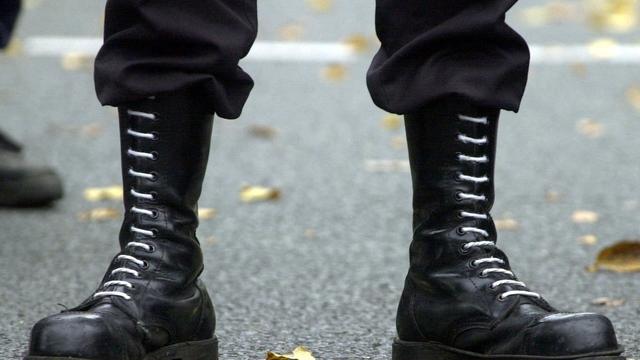
Far-right extremist groups in Germany are witnessing a revival of the skinhead style among their younger members. This trend indicates a potential shift or re-emphasis on certain aesthetic and ideological markers within these movements. The skinhead subculture, historically associated with far-right ideologies, appears to be regaining traction as a visual signifier for a new generation of extremists. This resurgence may reflect a deliberate effort by these groups to tap into nostalgic or recognizable symbols to attract and mobilize younger recruits. The adoption of this style could be interpreted as an attempt to reinforce group identity and project a particular image to the public and within their own circles. Further observation is needed to understand the full implications of this stylistic comeback and its impact on the broader far-right landscape in Germany.
The resurgence of skinhead aesthetics within young far-right extremist circles in Germany warrants examination through the lens of identity formation and symbolic communication. Such stylistic revivals often serve as a mechanism for group cohesion and external signaling, potentially drawing on historical associations to reinforce ideological narratives. Understanding the underlying motivations—whether a genuine embrace of past iconography or a strategic reappropriation for contemporary recruitment—is key. This trend highlights the dynamic nature of extremist subcultures and their capacity to adapt and re-package symbols to resonate with new generations, suggesting a need for ongoing monitoring of evolving recruitment strategies and ideological expressions within these movements.
AI-generated to prompt reflection — not editorial opinion, not advice, not a statement of fact. How this works.
