Skipping Nighttime Brushing Can Lead to Serious Dental Problems
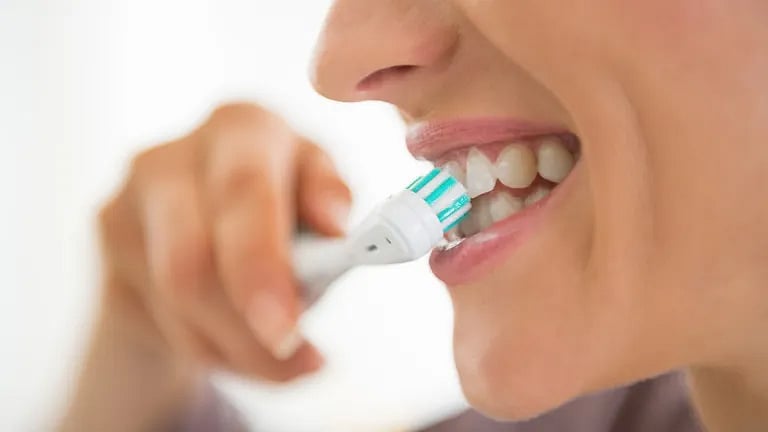
Dental experts strongly recommend brushing teeth at least twice daily, yet many individuals neglect this habit before bed. This seemingly minor omission can lead to significant dental issues over time. While the immediate effects might not be noticeable, especially since brushing in the morning can alleviate bad breath, the long-term consequences of not brushing at night are severe. Dr. Manjuma Akhtar Zakaria, an associate professor at Sylhet Central Dental College, explains the underlying biological processes. During sleep, saliva production decreases significantly compared to waking hours. Saliva normally helps prevent the accumulation of oral bacteria and washes away food particles. When saliva flow is reduced at night, bacteria proliferate and feed on leftover food debris, producing acids. These acids erode tooth enamel, leading to sensitivity to hot and cold temperatures and potentially causing cavities. The accumulation of bacteria and food particles also forms plaque, a sticky film on teeth that contributes to most dental problems. Neglecting nighttime brushing can result in persistent bad breath, reducing self-confidence. Over time, plaque hardens into tartar, which can only be removed by a dental professional and may cause bleeding gums. Tooth discoloration, loss of enamel brightness, and increased sensitivity are common. Furthermore, bacterial infections can lead to gum inflammation, swelling, redness, and pain. Severe gum disease, known as periodontitis, can spread to the jawbone, potentially causing tooth loss and impacting the ability to enjoy food, negatively affecting mental well-being. Addressing these issues can become increasingly complex and expensive. Practicing good oral hygiene, including brushing twice daily (before bed and after breakfast), rinsing after meals, and using dental floss, is crucial for preventing these serious dental complications.
The practice of neglecting nighttime tooth brushing, despite expert recommendations, highlights a common disconnect between health knowledge and daily behavior. This oversight, driven by convenience or a perceived lack of immediate consequence, allows for prolonged bacterial activity and acid production in the oral cavity overnight. The resulting enamel erosion, plaque buildup, and gum inflammation represent a systemic failure in preventative self-care, with escalating costs and health impacts. From a public health perspective, this underscores the need for more effective health communication strategies that emphasize the cumulative, long-term risks of seemingly small daily habits, particularly in the context of reduced natural defenses like saliva flow during sleep. Future oral health interventions may need to integrate behavioral science to address adherence challenges and promote consistent preventative practices.
AI-generated to prompt reflection — not editorial opinion, not advice, not a statement of fact. How this works.