Skopje Earthquake: 63 Years Since Devastating 1963 Tremor
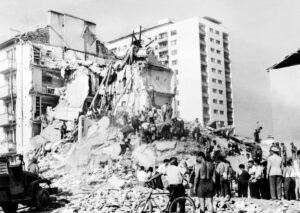
On this day in 1963, at precisely 5:17 AM, Skopje was struck by the most destructive earthquake in its history. This catastrophic event, lasting only twenty seconds, irrevocably altered the city's landscape. The earthquake registered a magnitude of 6.1 on the Richter scale and an intensity of nine degrees on the Mercalli scale. The disaster claimed 1,070 lives and left many injured. The event marked a profound turning point for Skopje, necessitating extensive reconstruction and international aid efforts. The memory of this devastating earthquake continues to shape the city's identity and its approach to urban planning and disaster preparedness. The 63rd anniversary serves as a solemn reminder of the fragility of urban environments and the resilience of communities in the face of natural disasters.
The 1963 Skopje earthquake serves as a stark reminder of the vulnerability of urban centers to seismic activity, particularly those in seismically active regions. The event's devastating impact underscores the critical importance of robust urban planning, resilient infrastructure, and effective disaster response mechanisms. In the context of an evolving global climate and increasing urbanization, understanding and mitigating the risks associated with natural disasters remains a paramount concern for city governance worldwide. Future urban development must integrate advanced seismic retrofitting and emergency preparedness protocols to safeguard populations and preserve cultural heritage against inevitable geological events.
AI-generated to prompt reflection — not editorial opinion, not advice, not a statement of fact. How this works.