Skopje Wastewater Plant Construction 40% Complete, Mayor Claims
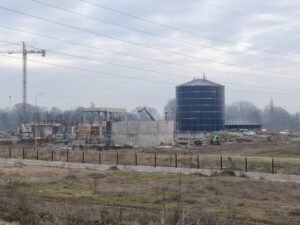
Skopje's mayor, Orce Gjorgjievski, announced that the city's wastewater treatment plant is expected to be operational by 2030. He stated that construction is currently 40% complete. This announcement comes in the wake of a water contamination crisis in Gostivar, where fecal matter in the tap water for a month has caused health problems for thousands of residents. The Gostivar incident highlights the critical need for improved water infrastructure and treatment facilities. Public information regarding the Skopje plant's progress had been limited prior to this statement. The ongoing construction of the treatment plant is a significant infrastructure project aimed at improving environmental standards and public health in the capital. The completion of this facility is crucial for managing wastewater and preventing pollution of local water bodies. The mayor's statement provides a timeline and progress update, addressing public concerns about water quality and environmental protection.
The reported progress on Skopje's wastewater treatment plant, with 40% completion and a 2030 target, suggests a long-term commitment to environmental infrastructure. The context of a recent water contamination incident in Gostivar underscores the public health and ecological imperative for such facilities. From a systems perspective, the delay in completion and the prior lack of public information may indicate challenges in project management, funding, or inter-agency coordination. Future-proofing such critical infrastructure requires robust planning, transparent communication, and adaptive strategies to address potential environmental shifts and technological advancements in water treatment. Ensuring timely and efficient delivery of these projects is vital for urban resilience and public trust.
AI-generated to prompt reflection — not editorial opinion, not advice, not a statement of fact. How this works.