Skylab Debris Fell to Earth: The World's First Space Station
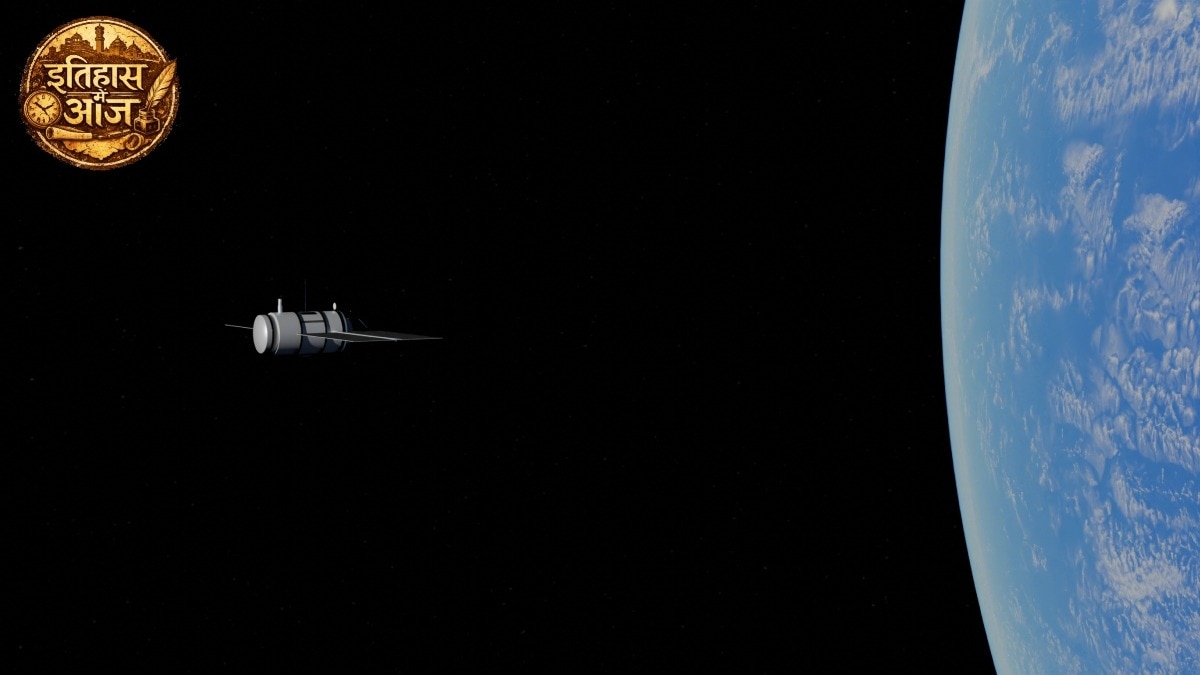
On this day in history, the space station Skylab began to break apart and fall to Earth. Skylab holds the distinction of being the world's first successful space station. Its re-entry into the atmosphere marked a significant event in space exploration history. The station was launched by NASA in 1973 and orbited the Earth for six years. During its operational period, Skylab hosted three crewed missions, conducting numerous scientific experiments. These experiments covered a wide range of disciplines, including human physiology, solar astronomy, and Earth observation. The station's demise was anticipated, and NASA had made efforts to predict its re-entry trajectory. While some debris did reach the Earth's surface, it was widely reported that most of it burned up in the atmosphere. The event highlighted the challenges associated with managing space debris and the eventual disposal of orbital infrastructure. Skylab's legacy continues as a pioneering achievement in humanity's quest to live and work in space.
The re-entry of Skylab's debris into Earth's atmosphere, while a historical event, underscores the long-term challenges of orbital infrastructure management. As space activities increase, the responsible disposal of defunct satellites and stations becomes paramount. This event serves as an early case study in the complexities of de-orbiting large structures, prompting considerations for future space station designs that may incorporate more sustainable end-of-life strategies. The incident also highlights the evolving understanding of atmospheric burn-up and debris impact, informing current space traffic management and debris mitigation protocols.
AI-generated to prompt reflection — not editorial opinion, not advice, not a statement of fact. How this works.