Sleep Divorce: The Trend of Sleeping Separately for Better Health and Relationships
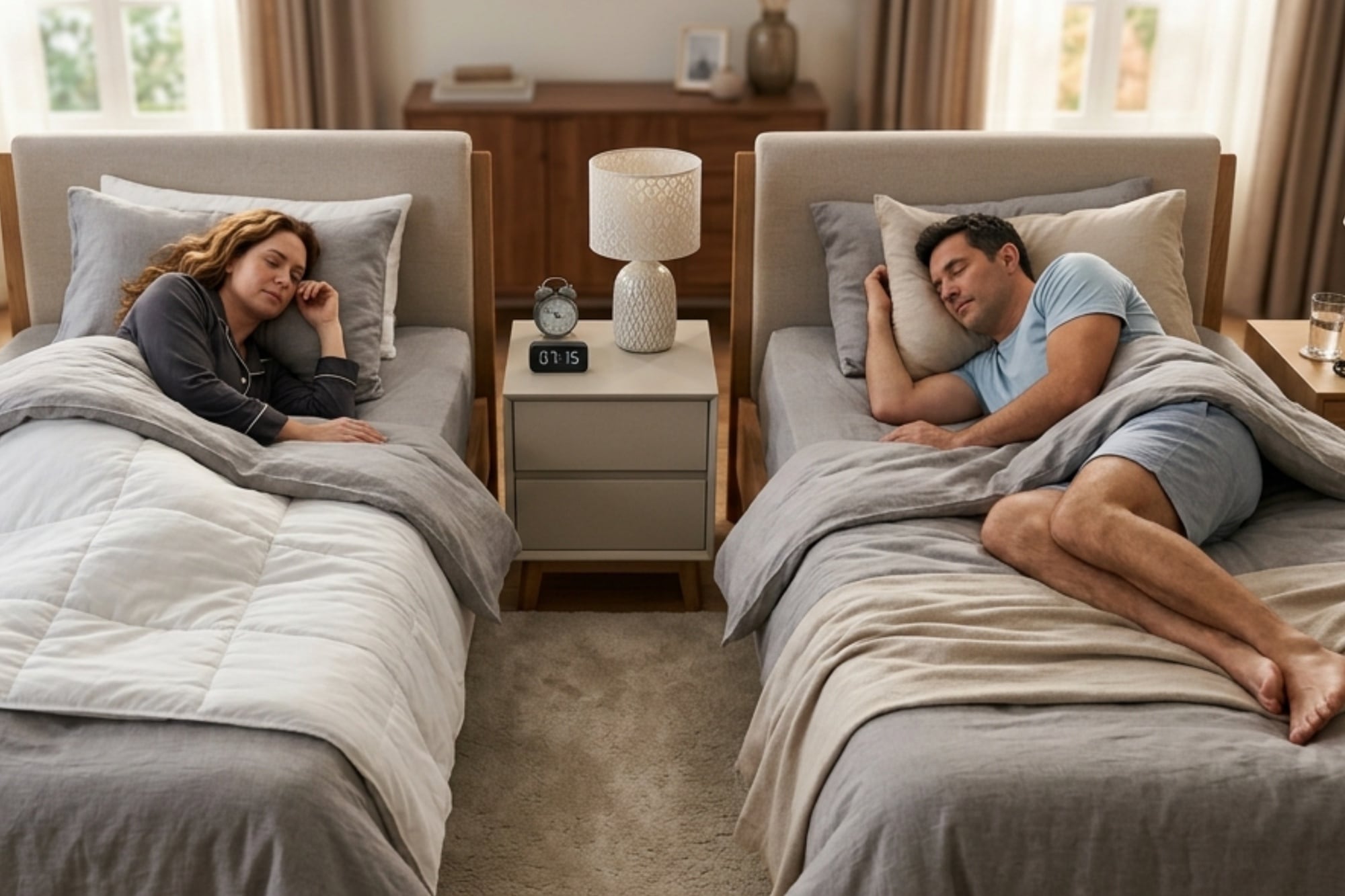
The practice of sleeping separately, known as 'sleep divorce,' is gaining popularity not as a sign of relationship trouble, but as a strategic choice for improving physical health and overall coexistence. This trend suggests that couples are prioritizing individual sleep quality, recognizing its profound impact on well-being. By opting for separate sleeping arrangements, individuals can mitigate disturbances such as snoring, different sleep schedules, or temperature preferences that often disrupt shared sleep. This can lead to more restful nights, reduced stress, and ultimately, a more harmonious relationship when awake. The concept challenges traditional notions of couples always sharing a bed, proposing that independence in sleep can foster greater intimacy and understanding. As more individuals and even celebrities embrace this approach, it highlights a growing awareness of sleep's critical role in maintaining both personal health and relationship satisfaction. The decision is framed as a proactive measure to enhance the quality of life for all involved.
The growing adoption of 'sleep divorce' reflects a societal shift towards prioritizing individual well-being and optimizing personal health metrics, even within the context of romantic relationships. This trend underscores the increasing recognition of sleep's fundamental importance, moving beyond its traditional perception as a mere passive state to one that directly influences cognitive function, emotional regulation, and physical health. From a systems perspective, this approach can be seen as an adaptive strategy to mitigate the negative externalities of cohabitation on sleep quality, thereby enhancing overall relationship sustainability. In the coming decade, as wearable technology and personalized health data become more sophisticated, such individualized health-optimization strategies are likely to become more prevalent, potentially reshaping traditional relationship norms and domestic arrangements.
AI-generated to prompt reflection — not editorial opinion, not advice, not a statement of fact. How this works.