Slovak Minister Proposes Prioritizing Domestic Employment Over Economic Migrants
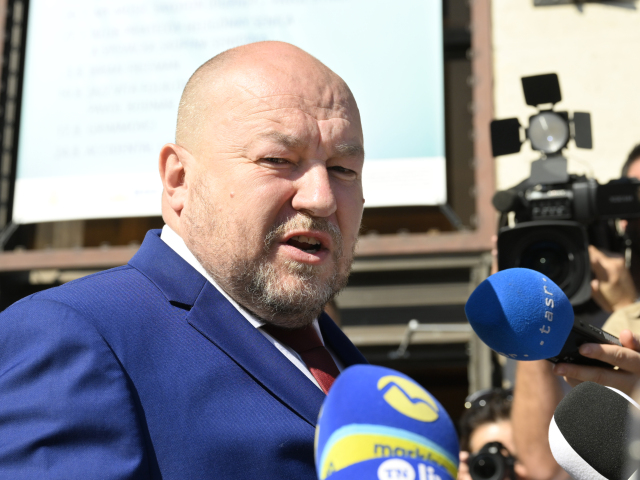
Rudolf Huliak, Slovakia's Minister of Tourism and Sports, has presented a proposal suggesting that the country should concentrate on employing its own citizens rather than accepting economic migrants from abroad. The minister's stance indicates a policy direction aimed at bolstering domestic employment opportunities. This initiative reflects a broader sentiment regarding national labor markets and the integration of foreign workers. The proposal emphasizes the need to address the employment needs of Slovakia's existing population, including its Roma community, before considering external labor sources. Huliak's statement specifically mentioned the Roma population as a group that should be prioritized for employment within Slovakia. The proposal aims to redirect focus towards internal workforce development and utilization. It suggests that economic migrants are not a necessity for the Slovak economy at this time. The minister's remarks highlight a potential shift in immigration and employment policy, prioritizing national interests and existing demographic groups.
This proposal highlights a tension between national labor market policies and broader economic integration strategies. By prioritizing domestic employment, particularly mentioning the Roma community, the minister signals a focus on internal social and economic development. This approach may aim to address underemployment or social inclusion challenges within Slovakia. However, it also raises questions about the potential economic benefits of skilled immigration and the long-term implications for a globalized economy. The effectiveness of such a policy would depend on the availability of qualified domestic labor and the country's specific economic needs. It prompts consideration of whether such nationalistic employment policies could inadvertently limit economic growth or innovation that often benefits from diverse talent pools.
AI-generated to prompt reflection — not editorial opinion, not advice, not a statement of fact. How this works.