Slovak Politicians Graded: Experts Assess Performance After Parliamentary Session
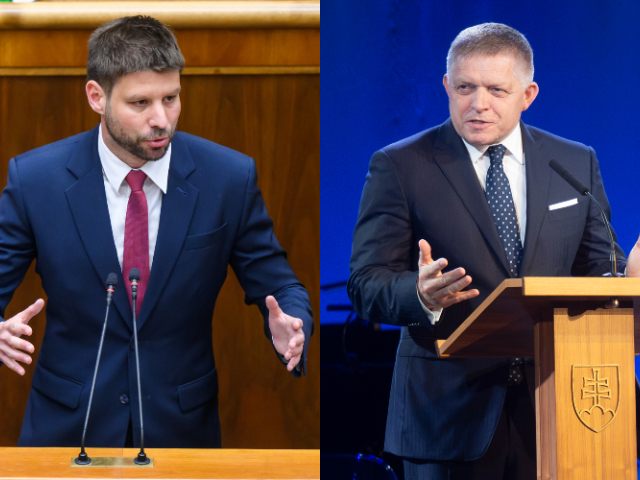
Slovak political scientists have evaluated the performance of politicians following the end of the parliamentary season and the government's departure for its summer recess. The recent period was characterized by what some described as a "botched" consolidation effort, with alternative solutions remaining largely unaddressed. Political discourse also saw parties engaging in a race to expose scandals involving their opponents. Four political scientists were consulted by Pravda to assess which politicians gained or lost ground and to assign them grades for their performance. The assessments aimed to provide an overview of the political landscape as the summer break begins. The parliamentary session concluded in late June, marking the end of this active political period before the recess. The experts' evaluations are intended to offer insights into the effectiveness and strategic maneuvering of key political figures and parties.
The end of a parliamentary session often prompts a review of political performance, with experts weighing in on outcomes and strategies. This period appears to have been marked by significant fiscal consolidation challenges and intense inter-party competition focused on scandal revelations. Such dynamics can distract from substantive policy debates and long-term governance objectives. The reliance on uncovering opponent's misdeeds, rather than presenting distinct policy visions, may reflect a broader trend in political engagement, potentially eroding public trust. Future political seasons might benefit from a greater emphasis on constructive policy development and transparent fiscal management to foster a more stable and effective governance environment.
AI-generated to prompt reflection — not editorial opinion, not advice, not a statement of fact. How this works.