Slovak Producers Face Growing Solar Panel Waste Challenge
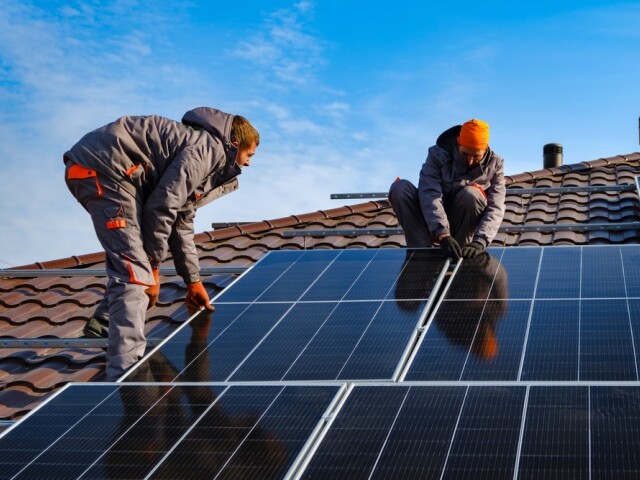
Slovakia is confronting a significant increase in photovoltaic waste as a large number of solar panels approach the end of their lifespan. The producer responsibility organization (PRO) for electrical equipment, SEWA, collected 272 tons of discarded photovoltaic panels last year. This represents a more than 60-fold year-on-year increase in collected waste. SEWA reported experiencing the greatest strain on its collection capacities during the latter half of 2025. The current economic viability of recycling these panels remains a concern, suggesting a potential future challenge in managing this growing waste stream.
The escalating volume of decommissioned solar panels in Slovakia highlights a critical juncture in renewable energy's lifecycle management. As the initial wave of installations nears obsolescence, the economic feasibility of recycling processes becomes paramount. Current collection rates, while showing a substantial increase, may not yet align with the projected future influx. This situation presents a systemic challenge, necessitating proactive strategies to balance environmental stewardship with economic incentives for waste processing. Future policy frameworks will likely need to address the long-term sustainability of solar energy infrastructure, considering both deployment and end-of-life management to avoid creating new environmental burdens.
AI-generated to prompt reflection — not editorial opinion, not advice, not a statement of fact. How this works.