Slovak Radio at 100: A 30-Year Veteran Recalls Daily Listener Contact Without the Internet
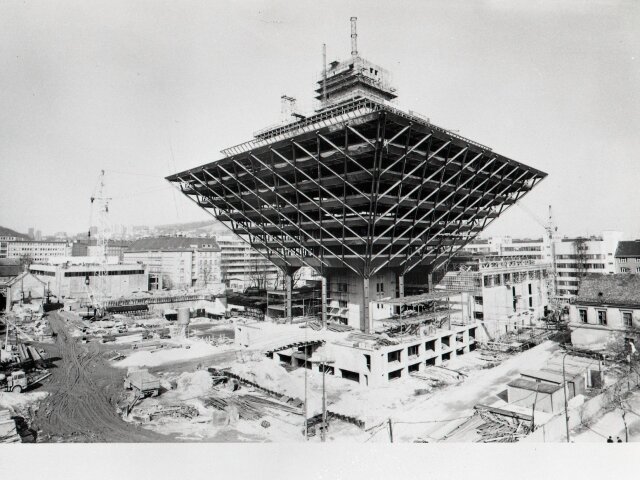
Brigita Letovancová, who worked at Slovak Radio for 30 years, reflects on its centenary, recalling the 1960s when she began her career. During that era, the absence of the internet meant that radio was a universally accessible medium, unlike television, which was only available to some. Letovancová emphasizes that despite the technological limitations, the radio station maintained a direct and daily connection with its listeners. This contrasts with modern media consumption, highlighting a different era of public broadcasting and audience engagement. Her perspective offers a historical view of how radio served as a primary source of information and entertainment, fostering a strong bond between broadcasters and the public.
The reminiscence of Brigita Letovancová highlights a significant shift in media consumption and audience engagement over the past century. In an era predating widespread internet access, radio served as a dominant and inclusive platform, fostering a direct, daily rapport with listeners. This historical perspective invites reflection on the evolving nature of public service broadcasting and the potential trade-offs between broad accessibility and the fragmented, personalized content streams of the digital age. Understanding these historical dynamics can inform strategies for maintaining meaningful public connection in the current media landscape, where the challenge lies in recapturing a sense of shared experience amidst digital proliferation.
AI-generated to prompt reflection — not editorial opinion, not advice, not a statement of fact. How this works.