Slovak Referendums: Political Tools or Democratic Exercises?
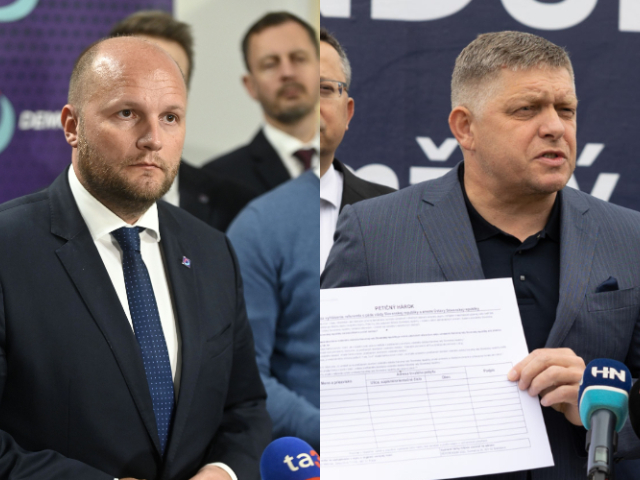
Slovakia has held nine referendums, with only one proving successful. A tenth referendum commenced this morning, focusing on abolishing the lifetime pension for Prime Minister Robert Fico (Smer) and reinstating the National Criminal Agency (NAKA) and the Special Prosecutor's Office. Political scientist Michal Cirner from the University of Prešov discussed the purpose of referendums for political parties and whether the 50% voter turnout requirement should be lowered. He explained that referendums are often used as advertising tools and instruments in political struggles. Cirner noted that the low turnout in past referendums suggests they are not effectively engaging the public. He believes that the current system, which requires a 50% turnout for a referendum to be valid, often renders them ineffective. This threshold can be difficult to meet, especially when public interest is low or when the referendum is perceived as politically motivated rather than addressing pressing public concerns. The effectiveness of referendums as a direct democratic tool is therefore questionable under the current conditions.
Referendums in Slovakia, as in many democracies, serve as a direct democratic mechanism but are frequently employed as strategic political tools. The low success rate and voter turnout suggest a disconnect between the public's engagement with these votes and their perceived relevance to daily life or political priorities. This situation highlights a potential systemic contradiction: while referendums are designed to empower citizens, their utility can be undermined by political maneuvering and high participation thresholds. The challenge lies in balancing the use of referendums for genuine public consultation against their exploitation for partisan advantage, and in ensuring that the process itself fosters meaningful civic participation rather than merely serving as a costly publicity stunt. Future reforms might consider alternative participation thresholds or improved public information campaigns to enhance the democratic legitimacy and effectiveness of such instruments.
AI-generated to prompt reflection — not editorial opinion, not advice, not a statement of fact. How this works.