Slovak Regional Elections: Unexpected Alliances and Key Political Battles Ahead
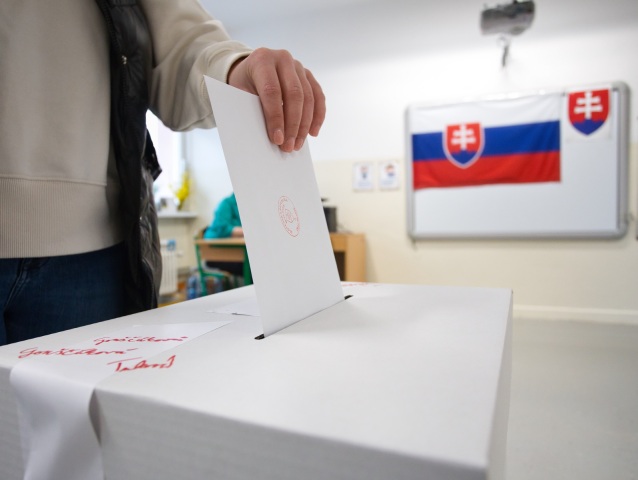
Slovakia is gearing up for its autumn municipal and regional elections, which promise to be politically charged with unexpected alliances and the emergence of familiar faces from national politics. These elections will determine the successors to long-serving officials in various regions and cities. The outcomes are expected to offer insights into the strength of political parties ahead of next year's parliamentary elections. Several key electoral districts are already showing signs of intense political contests. The alliances formed at the regional level are particularly noteworthy, as they sometimes involve parties that refuse to cooperate in the national parliament. This dynamic suggests a complex interplay of local interests and national party strategies. Observers will be closely watching these races to gauge the shifting political landscape and potential future electoral trends. The results could significantly influence the strategies and positioning of parties as the next general election approaches.
The upcoming Slovak regional elections present a fascinating case study in political strategy, where local electoral dynamics may diverge from national party alignments. The formation of unexpected alliances at the regional level, involving parties that are adversaries in the national parliament, highlights the influence of local governance needs and candidate-specific appeal. This phenomenon could indicate a pragmatic approach by parties to maximize electoral gains in specific territories, potentially prioritizing local mandates over rigid national ideological cohesion. Such regional cooperation may serve as a testing ground for broader coalition possibilities or, conversely, reveal fault lines within national party structures. The results will likely offer valuable data on voter sentiment and party adaptability in the lead-up to the next parliamentary elections, underscoring the evolving nature of political maneuvering in response to diverse stakeholder interests.
AI-generated to prompt reflection — not editorial opinion, not advice, not a statement of fact. How this works.