Slovak Student Shares Positive Experiences of Life in Georgia
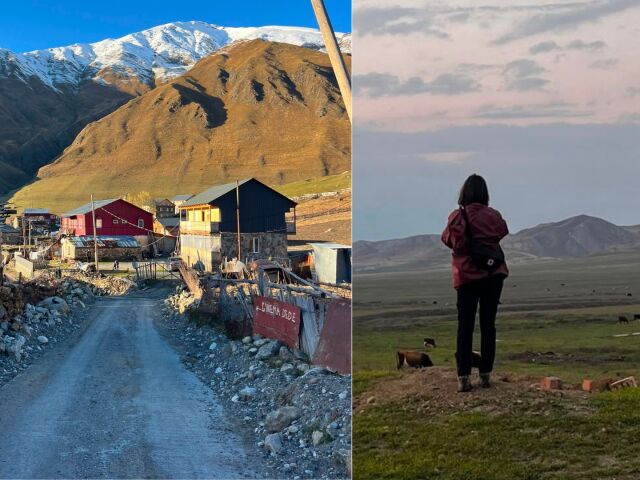
Kvetka Mokryšová, a student at Comenius University, has shared her surprisingly positive experiences living in Georgia for nearly a year. Many of her acquaintances expressed concern about her safety when she announced her plans to travel there. However, after spending months in Tbilisi, Mokryšová stated she paradoxically felt more uncomfortable in Bratislava, Slovakia, than in the Georgian capital. Her time in Georgia was multifaceted; she initially studied in the country and later interned at the Slovak Embassy. This allowed her to experience Georgia not just as a tourist but also through academic and diplomatic lenses. She highlighted that people were hospitable, offering food, and that taxi services were inexpensive. Furthermore, she noted feeling safe walking alone in Tbilisi during the evenings, a contrast to some of her perceived safety concerns in her home city. Her observations suggest a welcoming environment and a sense of security that exceeded her initial expectations.
This account offers a personal perspective on safety and hospitality in Georgia, contrasting it with experiences in Slovakia. From a systemic viewpoint, such individual narratives can influence perceptions and potentially tourism or migration patterns. The comparison between Tbilisi and Bratislava, while subjective, touches upon urban safety perceptions and the impact of cultural norms on daily life. As AI continues to shape global interactions and information dissemination, understanding these diverse lived experiences becomes crucial for fostering cross-cultural understanding and mitigating potential biases in broader analyses of societal conditions. The accessibility and affordability of services like taxis can be indicative of local economic structures and infrastructure development, factors that will continue to evolve in the coming decade.
AI-generated to prompt reflection — not editorial opinion, not advice, not a statement of fact. How this works.