Slovak Train Drivers Reveal Reasons for Service Cancellations
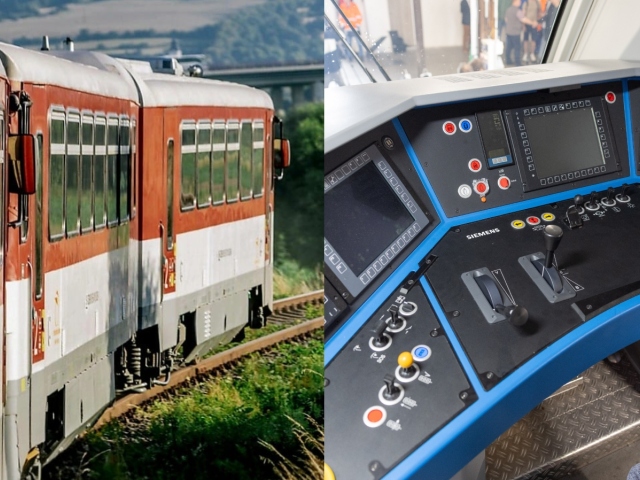
Train drivers in Slovakia are highlighting critical staffing shortages within the national railway company, Železnice Slovenskej republiky (ŽSR), as a primary cause for recent train service cancellations. The issue extends beyond outdated infrastructure to a significant lack of personnel needed to keep trains operational. Passengers have already experienced the consequences, with six train drivers resigning contributing to the disruption and exposing the fragility of the rail transport system's capacity. Despite ongoing recruitment efforts by Železničná spoločnosť Slovensko (ZSSK), the company acknowledges that training new drivers is a lengthy process. The article questions why interest in this essential profession is declining and what factors are deterring individuals from pursuing a career vital for the country's mobility. Drivers are reportedly working up to 400 hours of overtime, indicating immense pressure on the existing workforce, and stating that current salary offerings are no longer sufficient incentives for the demanding role.
The situation with Slovak train drivers underscores a systemic challenge in maintaining essential public services, particularly in sectors requiring specialized skills and facing demanding working conditions. The reported 400 hours of overtime per driver suggests that current staffing levels are unsustainable and may be leading to burnout, impacting both service reliability and employee retention. While ZSSK's recruitment drive is a necessary step, the decline in interest points to broader societal and economic factors, potentially including compensation, work-life balance, and the perceived prestige of the profession. Addressing this requires a multi-faceted approach that not only enhances recruitment but also focuses on improving working conditions, offering competitive remuneration, and potentially exploring technological solutions or streamlined training programs to bolster the workforce for the future.
AI-generated to prompt reflection — not editorial opinion, not advice, not a statement of fact. How this works.