Slovak Village Debates UNESCO Status Amidst Tourism and Preservation Challenges
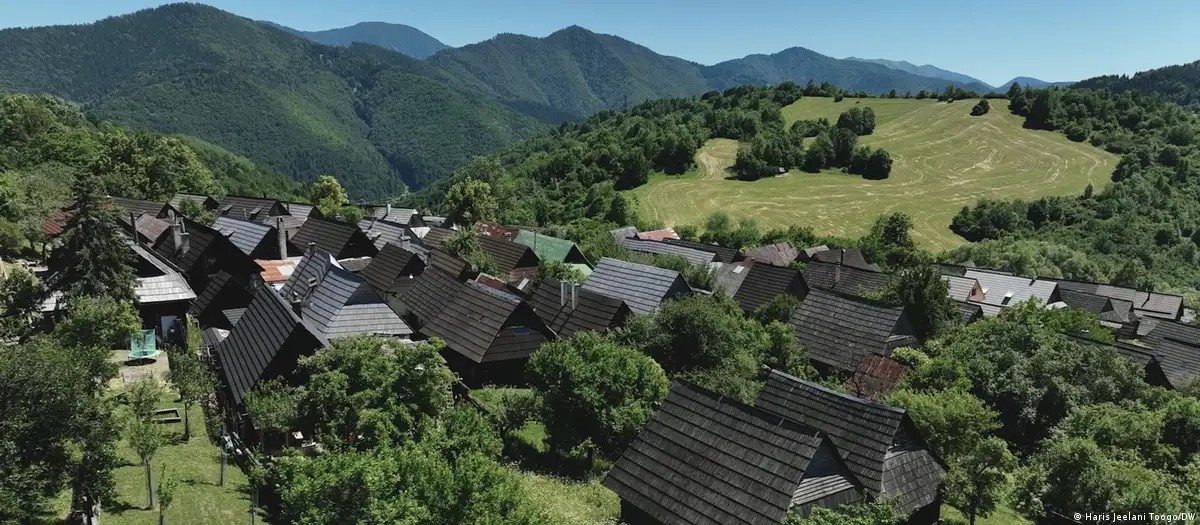
The historic village of Vlkolínec in Slovakia, renowned for its preserved wooden houses, is facing a complex debate about its UNESCO World Heritage status. While international headlines suggest the village is requesting removal from the list due to excessive tourism, the issue runs deeper, reflecting residents' struggle to balance their traditional way of life with the influx of visitors drawn by its global fame. Long-time resident Anton Sabucha, 68, expresses frustration with tourists who disrespect privacy, entering private gardens and photographing homes without permission, despite clear signage. He notes that Vlkolínec, once home to around 200 people, now has only 17 year-round residents, and the tourism income, approximately 400 euros annually per resident from ticket sales, barely covers winter fuel costs. Sabucha feels the UNESCO inscription in 1993 accelerated these changes, transforming the village into a tourist attraction rather than a living community, leading to the decline of traditional farming and the departure of many locals.
However, not all residents share this view, and local authorities are seeking a middle ground. Miro Parobek, responsible for tourism in the municipality of Ružomberok, which administers Vlkolínec, acknowledges the challenges but advocates for better management rather than delisting. The municipality is implementing measures such as replacing large festivals with smaller cultural events, establishing working groups for resident consultations, and assisting with building restoration subsidies. They also provide transportation for the elderly and ensure ticket sales messages emphasize that Vlkolínec is not an open-air museum. Future plans, seeking Norwegian funding, include creating off-site parking, improving infrastructure, restoring traditional agricultural elements, and establishing a cultural center. These initiatives aim to reduce tourist pressure while creating opportunities for residents to engage in preservation and guiding.
Removing a site from the UNESCO list is exceptionally difficult, with only three sites ever having been delisted due to irreversible loss of qualifying characteristics. Vlkolínec, described by UNESCO as one of Central Europe's best-preserved traditional rural villages with 43 intact wooden houses and a nearly unaltered medieval urban layout, is considered an authentic example of traditional mountain settlements. While a minority of residents may advocate for leaving the list, the process for voluntary withdrawal is unprecedented, and Vlkolínec is unlikely to be the first to succeed.
The Vlkolínec situation highlights a systemic tension between heritage preservation and the economic and social impacts of global tourism. While UNESCO designation brings international recognition and potential economic benefits, it can also inadvertently strain local communities by increasing visitor numbers and altering traditional lifestyles. The core challenge lies in managing visitor flow and behavior to ensure that heritage sites remain vibrant communities rather than becoming mere exhibits. Local authorities are attempting to navigate this by implementing management strategies, but the long-term success will depend on their ability to foster genuine community involvement and ensure that economic benefits are equitably distributed, rather than primarily benefiting external operators. This case underscores the need for adaptive governance models that prioritize resident well-being and cultural integrity alongside preservation mandates, especially as global connectivity continues to grow.
AI-generated to prompt reflection — not editorial opinion, not advice, not a statement of fact. How this works.