Slovakia Launches Pilot Program for New Nursing Education Model
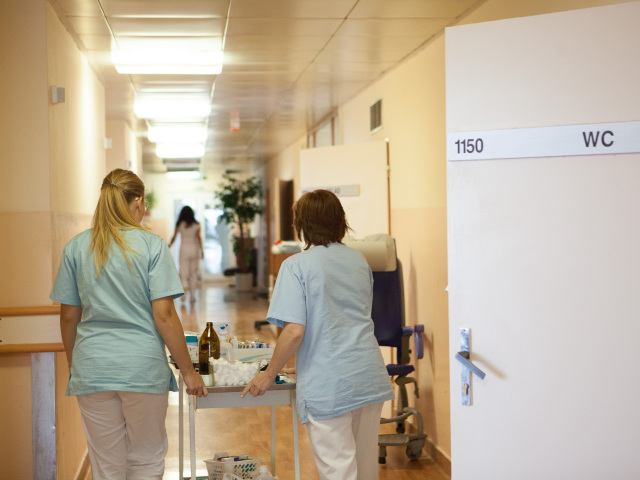
Starting September 1st, Slovakia will pilot a new educational model for aspiring general nurses, known as '1+4'. This initiative will be implemented in six secondary healthcare schools across the country. The '1+4' model represents a significant shift in how future nurses will be trained. The goal is to adapt the curriculum to meet evolving healthcare demands and potentially address shortages in the nursing profession. This pilot phase is crucial for evaluating the effectiveness and feasibility of the new approach before a potential nationwide rollout. Details on the specific curriculum changes within the '1+4' model have not yet been fully elaborated. However, the name suggests a structure possibly involving one year of foundational study followed by four years of specialized training, or a similar combination aimed at enhancing practical skills and theoretical knowledge. The Ministry of Education, Science, Research and Sport is overseeing this transition. The success of this pilot will inform future educational policies for healthcare professionals in Slovakia. The Ministry hopes this new model will produce more competent and well-prepared nurses for the Slovak healthcare system.
The introduction of the '1+4' nursing education model in Slovakia reflects a proactive approach to modernizing healthcare training. By piloting this new system, the Ministry of Education is attempting to align educational outcomes with the dynamic needs of the healthcare sector, potentially improving the quality of care and workforce stability. This strategic shift, if successful, could serve as a blueprint for other vocational training programs facing similar challenges in adapting to technological advancements and societal demands. The long-term impact will depend on the model's ability to foster critical thinking, adaptability, and practical proficiency, ensuring graduates are well-equipped for the complexities of 21st-century healthcare and beyond. Evaluating the pilot's outcomes will be key to understanding its scalability and effectiveness in addressing systemic workforce issues.
AI-generated to prompt reflection — not editorial opinion, not advice, not a statement of fact. How this works.