Slovakia Refuses to Recognize Same-Sex Marriages Performed Abroad
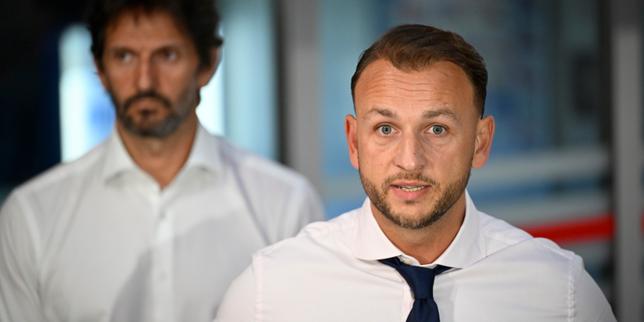
Slovakia has decided not to register same-sex marriages that were legally performed in other European Union member states. This decision comes despite a ruling by the Court of Justice of the European Union in November 2025. The European court had previously determined that all EU countries are obligated to recognize same-sex unions established in another member state. This Slovakian stance creates a direct conflict with the EU's legal framework regarding the free movement and recognition of rights for its citizens. The implications of this refusal could impact same-sex couples who have married abroad and wish to have their union officially recognized in Slovakia. It raises questions about the extent to which national governments can diverge from EU court rulings on fundamental rights.
Slovakia's refusal to recognize same-sex marriages performed abroad, despite an EU court mandate, highlights a tension between national sovereignty and supranational legal obligations. This action may stem from domestic political or social considerations that prioritize national laws over EU directives on LGBTQ+ rights. The long-term consequence could be increased legal uncertainty for affected couples and potential challenges within the EU's legal system, possibly leading to further litigation or policy debates. This situation underscores the ongoing societal and legal evolution regarding LGBTQ+ rights across different European nations and the complexities of harmonizing diverse national perspectives within a unified legal framework.
AI-generated to prompt reflection — not editorial opinion, not advice, not a statement of fact. How this works.