Slovakia's National Park Zoning Faces Funding Risk Over Unresolved Issues
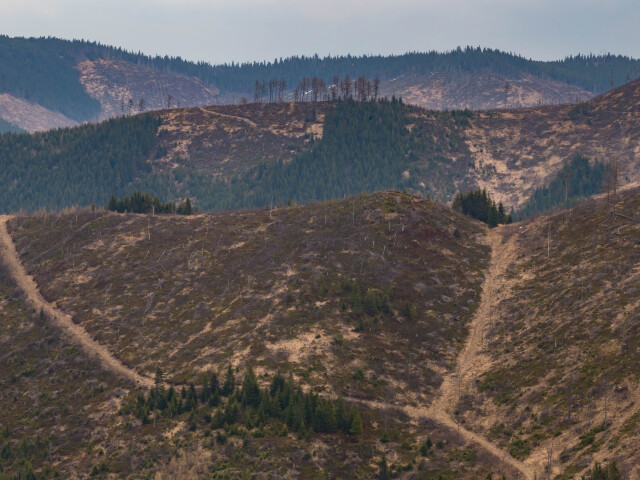
New zoning regulations for Slovakia's national parks are set to take effect on Wednesday, July 15th. However, environmental organizations are raising significant concerns as the government has yet to revoke three resolutions impacting the Malá Fatra, Low Tatras, and Poloniny national parks. These organizations, including Aevis, Zelená väčšina, My sme les, SOS/BirdLife Slovensko, Prales, and WWF Slovensko, argue that the continued existence of these resolutions poses a serious threat. They warn that these unresolved issues could jeopardize crucial milestones within Slovakia's Recovery and Resilience Plan. Consequently, hundreds of millions of euros in funding for the country could be at risk if the government does not address these concerns promptly. The environmental groups are urging the government to repeal the problematic resolutions to ensure the successful implementation of the national park zoning and secure the vital financial resources.
The implementation of national park zoning in Slovakia is encountering a critical juncture, where regulatory changes are directly linked to the disbursement of significant EU recovery funds. The core issue appears to be a potential disconnect between environmental protection objectives and the government's adherence to the Recovery and Resilience Plan's prerequisites. The environmental groups' warning highlights the systemic risk of non-compliance with agreed-upon conditions, which could lead to substantial financial penalties or the forfeiture of development aid. This situation underscores the importance of robust inter-agency coordination and transparent policy execution to avoid jeopardizing national strategic interests. Future policy design should incorporate mechanisms to ensure that environmental regulations align with and support broader economic recovery goals, particularly those tied to international funding agreements, to prevent such conflicts and ensure sustainable development.
AI-generated to prompt reflection — not editorial opinion, not advice, not a statement of fact. How this works.