Slovakia's Nursing Education Model Criticized Amid Staff Shortages
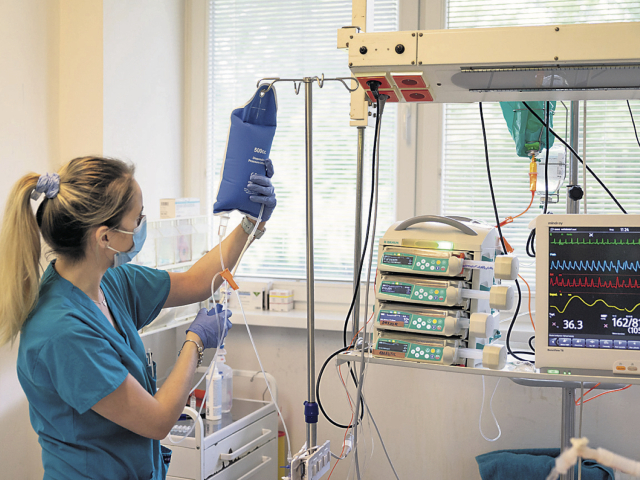
Slovakia is facing a significant shortage of thousands of nurses, with their numbers declining over the long term. The Slovak Chamber of Nurses and Midwives has voiced strong criticism of the proposed "1+4" nursing education model, deeming it ineffective. According to the chamber, this model replicates a Czech approach that proved unsuccessful in the past. They argue that the new model fails to address the fundamental reasons behind nurses leaving the profession, namely low wages and poor working conditions. The chamber believes that without tackling these core issues, the proposed educational reform will not resolve the critical staffing crisis in the healthcare sector.
The proposed "1+4" nursing education model in Slovakia emerges amidst a critical shortage of healthcare professionals. While educational reforms are often necessary to adapt to evolving needs, the critique from the Slovak Chamber of Nurses and Midwives highlights a potential disconnect between policy and practical realities. The chamber's assertion that the model mirrors a previously failed Czech approach warrants careful examination of its pedagogical and structural efficacy. The core of the issue appears to be the systemic drivers of attrition – compensation and working environment. Addressing these foundational elements is paramount for sustainable workforce stability. Future-oriented healthcare systems must integrate educational advancements with robust strategies for retention, ensuring that training initiatives are not undertaken in isolation from the broader employment ecosystem. This situation prompts consideration of incentive structures and labor market dynamics that could better align educational investment with the long-term needs of the nursing profession and patient care.
AI-generated to prompt reflection — not editorial opinion, not advice, not a statement of fact. How this works.