Slovakia's public debt grows, but remains below EU average
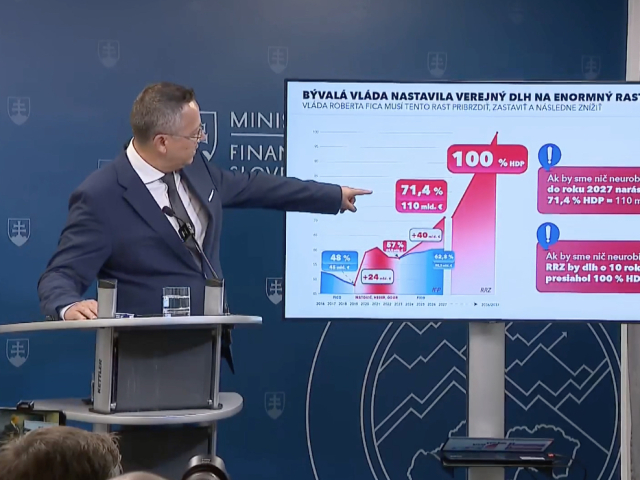
Slovakia's public debt increased by nearly three billion euros in the first three months of the year, according to Eurostat. While the country is not among the most indebted nations in the European Union, experts are sounding the alarm about the pace of this growth. This rising debt poses significant implications beyond mere statistical figures. It can directly influence interest rates on mortgages for citizens and impact the government's capacity to fund essential public services. Specifically, allocations for healthcare, education, and pension systems could be constrained by increasing debt servicing costs. The trend highlights a growing fiscal challenge for Slovakia, even as its overall debt level remains comparatively lower than many other EU member states. This situation necessitates careful fiscal management to balance immediate needs with long-term financial stability. The warning from experts underscores the importance of monitoring debt accumulation closely.
The reported increase in Slovakia's public debt, while still positioning it favorably relative to many EU peers, signals a critical juncture in fiscal management. The accelerating rate of debt accumulation, irrespective of the absolute level, warrants scrutiny regarding the sustainability of current public spending and revenue generation strategies. This trend could exert upward pressure on borrowing costs, potentially impacting private sector credit availability and affordability, such as mortgage rates. Furthermore, it raises questions about the government's future fiscal space for investments in social infrastructure and services. A forward-looking approach would involve analyzing the drivers of this debt growth and exploring policy levers to ensure long-term fiscal health without compromising essential public goods and services, particularly in the context of evolving economic and geopolitical landscapes.
AI-generated to prompt reflection — not editorial opinion, not advice, not a statement of fact. How this works.