Slovakia's 'Purgatory' Trial Continues with Key Witness Testimony
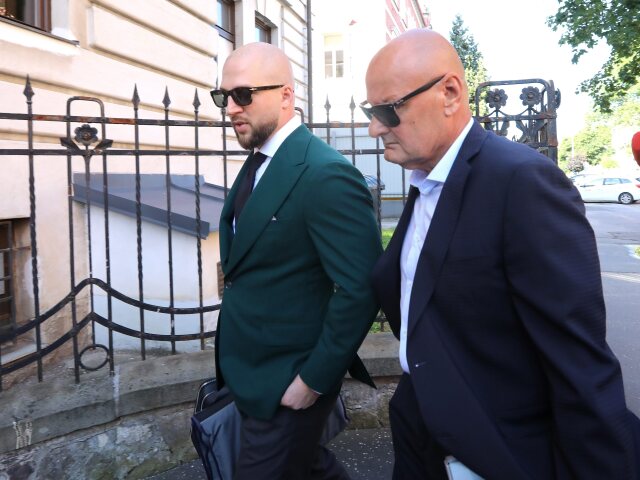
The main hearing in the "Očistec" (Purgatory) case is continuing at the Specialized Criminal Court (ŠTS) in Banská Bystrica, Slovakia. This trial concerns allegations of the creation and operation of a criminal group within the highest echelons of the police and security services. The alleged criminal activities took place between 2012 and 2018. A key witness, Slobodník, who has reportedly agreed to cooperate with authorities, is scheduled to testify. His testimony is expected to be crucial in shedding light on the alleged illicit activities and the individuals involved. The case has garnered significant attention due to the involvement of high-ranking officials within law enforcement and security apparatuses. The court proceedings aim to establish the facts surrounding these serious accusations and determine accountability. The "Očistec" case is a significant development in Slovakia's efforts to address corruption and organized crime within its state institutions. The ongoing trial is a critical step in the judicial process to uncover the truth and ensure justice.
The "Očistec" trial in Slovakia addresses systemic concerns regarding potential criminal activity within core state security institutions. The focus on alleged internal corruption between 2012 and 2018 highlights the critical need for robust oversight mechanisms and accountability frameworks in law enforcement. The involvement of a cooperating witness, Slobodník, underscores the complex dynamics of internal investigations and the potential for whistleblowers to influence judicial outcomes. As the trial progresses, it will be important to observe how the evidence presented shapes public trust in judicial and security bodies. The long-term implications may involve reforms aimed at strengthening institutional integrity and preventing the recurrence of such alleged misconduct, particularly in an era where transparency and ethical governance are paramount.
AI-generated to prompt reflection — not editorial opinion, not advice, not a statement of fact. How this works.