Slovakia's Referendum to Reinstate Anti-Corruption Prosecutor Fails Due to Low Turnout
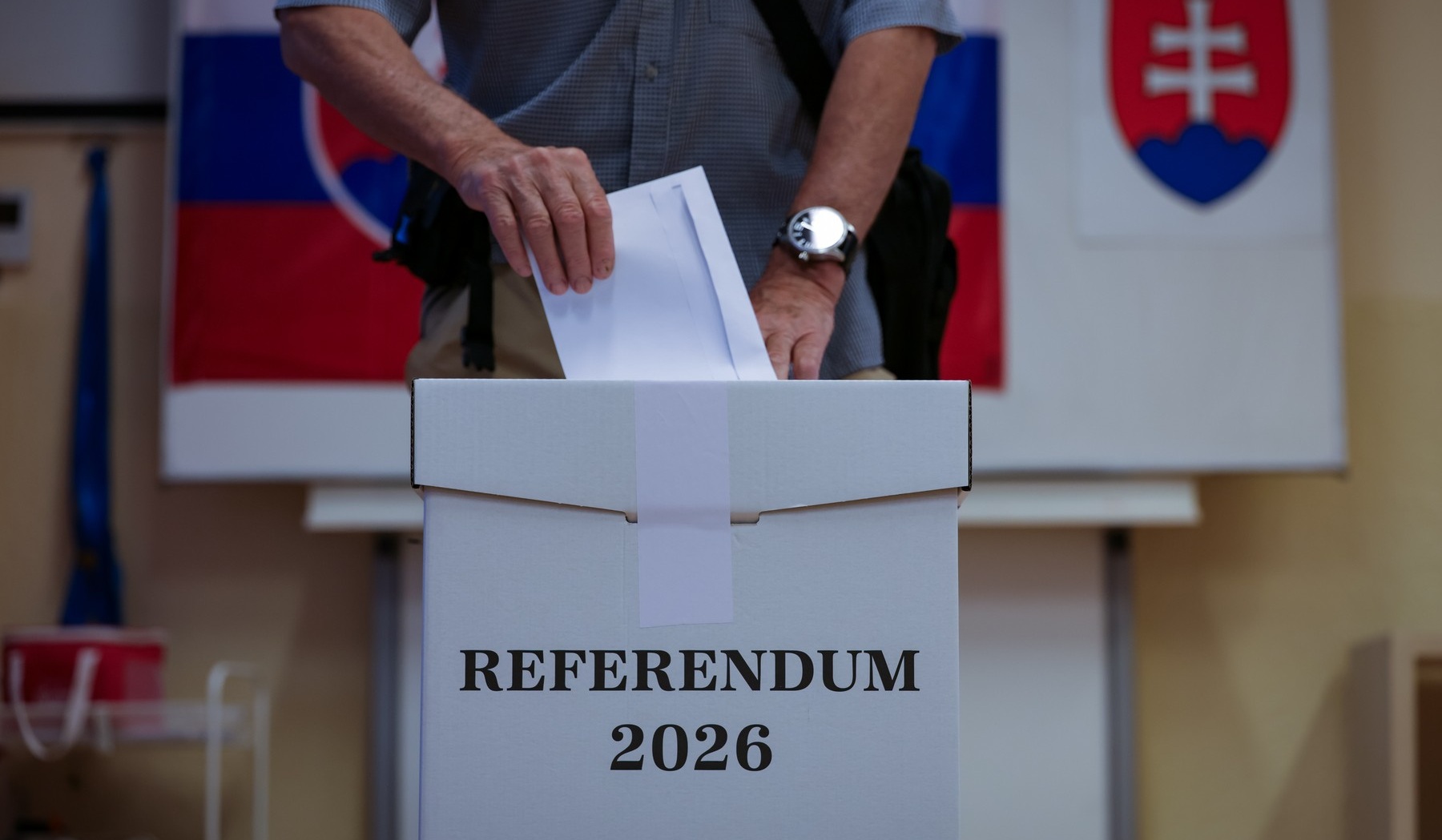
Slovakia held a referendum on Saturday concerning the reinstatement of an anti-corruption prosecutor's office. This office had been abolished during the current legislative term by a coalition composed of populists and ultranationalists. However, the referendum was not validated because it failed to achieve a simple majority of voters. The low turnout meant that the proposed measure did not meet the required threshold for approval. This outcome signifies a setback for those who sought to re-establish the specialized anti-corruption body. The decision to abolish the office had been a significant move by the ruling coalition, drawing criticism from various quarters. The referendum was seen as a public test of support for reversing that decision.
The failure of Slovakia's referendum to reinstate the anti-corruption prosecutor's office, due to insufficient voter participation, highlights a potential disconnect between public sentiment and electoral engagement. While the referendum aimed to reverse a legislative action by the ruling coalition, the outcome suggests that the issue may not have mobilized a sufficient segment of the electorate. This situation prompts consideration of factors influencing voter turnout in referendums, including public awareness, political polarization, and the perceived efficacy of direct democracy mechanisms. Moving forward, understanding the underlying reasons for low participation will be crucial for assessing the future of anti-corruption efforts and the broader political landscape in Slovakia, particularly in the context of evolving governance and societal expectations regarding accountability.
AI-generated to prompt reflection — not editorial opinion, not advice, not a statement of fact. How this works.