Slow Progress in Spain's Wildfire Fight Amid Tourist Season
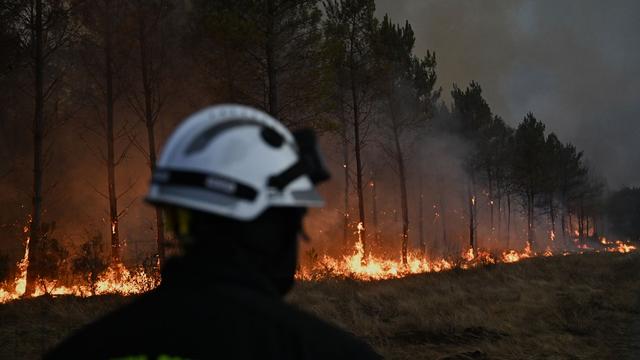
Wildfires are posing a significant challenge in Spain, a popular tourist destination, with firefighting efforts making only gradual headway. The blazes are occurring during the peak holiday season, adding complexity to the situation for both residents and visitors. Authorities are working to contain the fires, but the scale and intensity of the incidents are testing their resources. The slow progress indicates the difficulty in controlling these fires, which can be exacerbated by dry conditions and high temperatures common in Spain during the summer months. The impact on tourism and local communities is a growing concern as the firefighting operations continue. Efforts are underway to secure affected areas and protect infrastructure, but the ongoing nature of the fires means the situation remains dynamic. The full extent of the damage and the long-term consequences are yet to be determined as crews battle the persistent flames.
The recurring challenge of wildfires in popular tourist destinations like Spain highlights the intersection of climate vulnerability and economic reliance on tourism. As climate change intensifies, periods of drought and high temperatures become more frequent, increasing wildfire risk. This necessitates a strategic shift from reactive firefighting to proactive land management and climate adaptation strategies. The slow progress in containment suggests that current resource allocation and response mechanisms may be insufficient for the escalating threat. Future planning should consider integrated approaches that balance ecological health, public safety, and the economic imperatives of tourism, potentially involving international cooperation and advanced early-warning systems.
AI-generated to prompt reflection — not editorial opinion, not advice, not a statement of fact. How this works.