Small Businesses Fail Due to Overly Optimistic Sales Projections
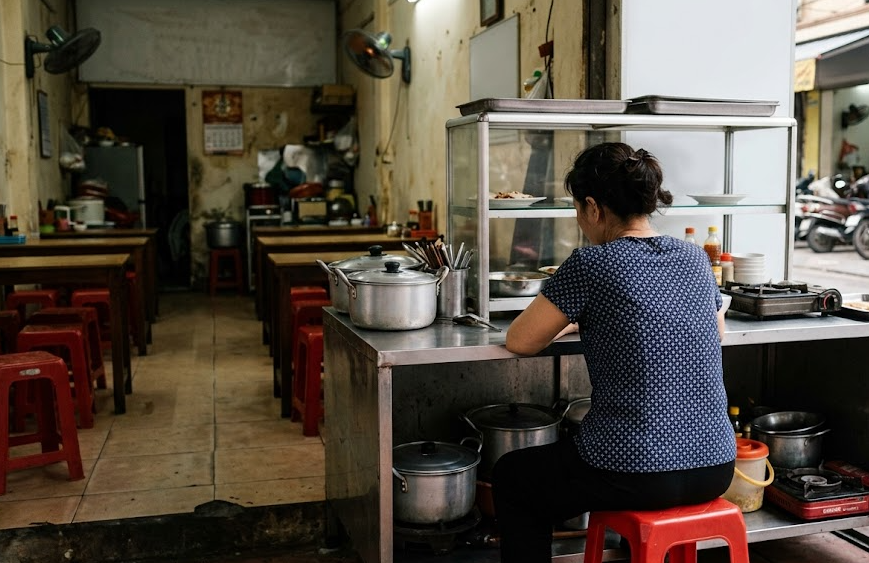
Many individuals opening food and beverage businesses focus solely on easily calculable aspects of their operations, such as projecting sales figures like '100 cups of coffee and 100 bowls of pho per day.' This narrow focus on optimistic sales targets often overlooks crucial operational complexities and financial realities. Consequently, numerous establishments struggle and ultimately fail because their business models are built on unrealistic assumptions. The original article highlights that this common pitfall stems from a superficial understanding of market dynamics and the true costs associated with running a business. Without a comprehensive business plan that accounts for all expenses, unexpected challenges, and fluctuating customer demand, even seemingly popular concepts can collapse. The tendency to prioritize simple revenue projections over thorough financial planning is a significant reason for the high failure rate among small eateries.
The tendency for new businesses, particularly in the food service sector, to rely on simplistic sales projections like '100 cups of coffee and 100 bowls of pho' indicates a potential systemic issue in entrepreneurial education. This approach often neglects critical factors such as cost of goods sold, labor, rent, marketing, and operational overhead. Such optimistic forecasting, while psychologically appealing, creates a fragile foundation that is vulnerable to market fluctuations and unexpected expenses. Moving forward, a greater emphasis on comprehensive financial literacy and risk assessment within business incubation programs could mitigate these failures. Future entrepreneurs need to be equipped with tools to model worst-case scenarios and understand the interplay of various costs, rather than solely focusing on revenue targets, to build more resilient business models.
AI-generated to prompt reflection — not editorial opinion, not advice, not a statement of fact. How this works.