Small but Destructive: The Boring Clam's Impact on Harbor Infrastructure
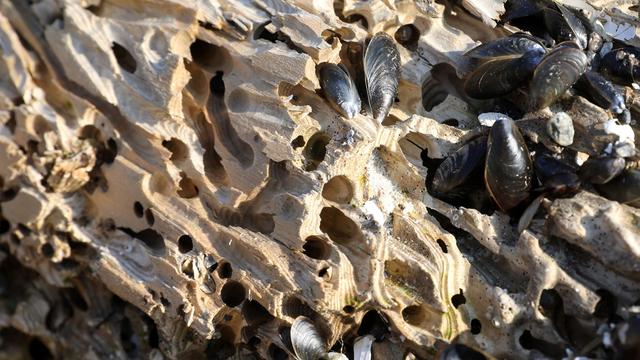
The boring clam, a small marine mollusk, is causing significant damage to harbor facilities. These organisms, despite their size, pose a substantial threat to the structural integrity of piers, pilings, and other underwater constructions. Their burrowing activity weakens materials, leading to costly repairs and potential safety hazards. The problem highlights a growing concern for maritime infrastructure worldwide. Managing and mitigating the impact of such biofouling organisms is becoming increasingly crucial for the longevity and safety of ports and harbors. Further research into effective, environmentally sound control methods is needed to protect these vital economic assets.
The proliferation of the boring clam underscores the complex interplay between marine ecosystems and human infrastructure. While seemingly a minor biological nuisance, its destructive capacity highlights systemic vulnerabilities in materials science and maintenance protocols for submerged structures. Future infrastructure development must incorporate bio-resistant materials and adaptive management strategies to anticipate and counter such ecological challenges. The economic burden of repair and mitigation necessitates a proactive approach, potentially involving novel bio-control agents or advanced monitoring technologies. This situation prompts consideration of long-term ecological shifts and their direct impact on industrial assets, urging a more integrated approach to environmental stewardship and engineering.
AI-generated to prompt reflection — not editorial opinion, not advice, not a statement of fact. How this works.
