Small Plane Crash in Campo Grande Kills Pilot and One Passenger
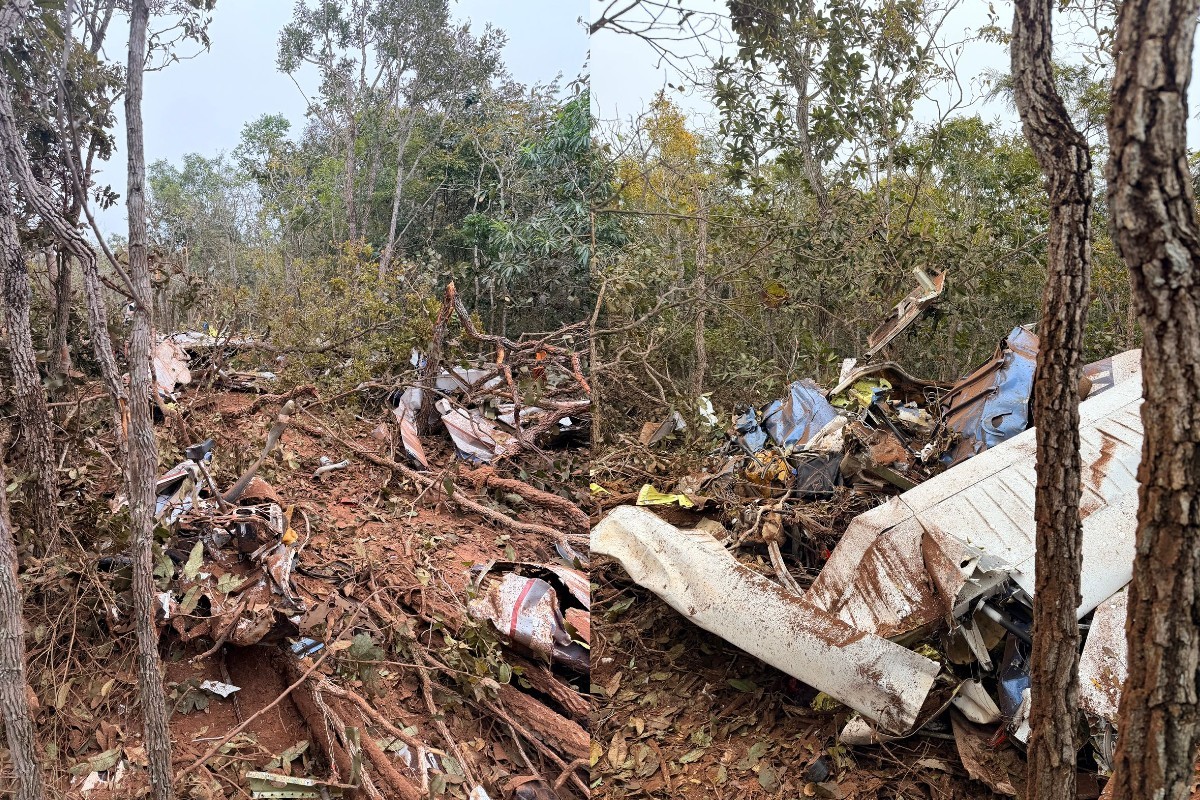
Security cameras in Campo Grande, Brazil, captured the sound of a small plane crash and subsequent explosion that occurred on Friday morning, May 3rd. The accident took place near Santa Maria Airport, on the route towards Três Lagoas, resulting in the deaths of two individuals: the pilot, identified as Henrique Martin, and an unidentified woman. The aircraft, a small twin-engine EMB-810D manufactured in 1983, crashed in an area close to the Terras do Golfe condominium. The victims died at the scene. Witnesses working at a nearby private airstrip reported hearing a loud explosion before the accident was confirmed, though they could not pinpoint its origin. According to the Military Fire Brigade of Mato Grosso do Sul, the plane departed from an aerodrome and was en route to the Pantanal region. The pilot reportedly attempted an emergency landing on a private airstrip during the flight. The primary hypothesis suggests this maneuver was prompted by severely reduced visibility due to heavy fog that blanketed Campo Grande early Friday morning, with humidity also affecting other parts of the city. The crash occurred around 6:30 AM. Firefighters faced significant challenges accessing the crash site due to the poor condition of the dirt road, with rescue vehicles becoming stuck. Despite these difficulties, two fire brigade teams, a rescue unit, and a firefighting vehicle were dispatched. The Centro de Investigação e Prevenção de Acidentes Aeronáuticos (Cenipa) will investigate the cause of the crash. The aircraft belonged to an air taxi company, though it's not confirmed if it was operating as such at the time of the incident. The EMB-810D model is certified for general and executive aviation and can carry up to seven occupants.
The tragic loss of life in this small aircraft incident highlights the inherent risks associated with general aviation, particularly in adverse weather conditions. The reported attempt at an emergency landing due to low visibility, compounded by challenging access for rescue services, underscores the critical importance of robust pre-flight planning, real-time weather monitoring, and accessible infrastructure for aviation operations. Investigations by Cenipa will likely focus on pilot decision-making, aircraft maintenance, and the impact of environmental factors. Future considerations for aviation safety in the region might involve enhanced meteorological support for smaller airfields, improved emergency response protocols for remote or difficult-to-access locations, and ongoing pilot training emphasizing risk management in low-visibility scenarios and emergency procedures.
AI-generated to prompt reflection — not editorial opinion, not advice, not a statement of fact. How this works.