Small plane nearly collided with passenger jet before crashing into Beijing skyscraper
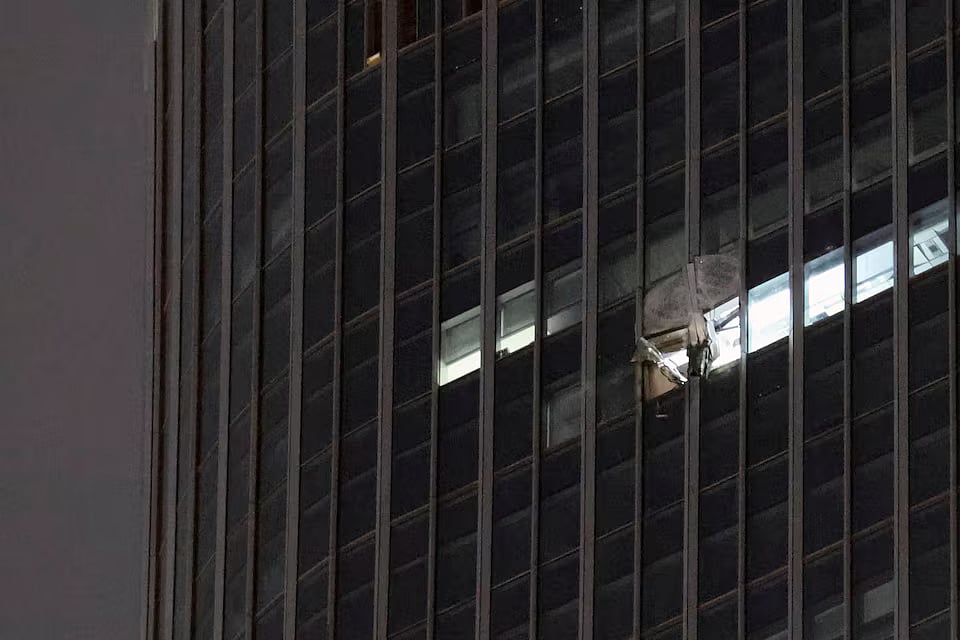
A small, single-engine aircraft crashed into Beijing's tallest building, the CITIC Tower, last Friday, raising serious questions about China's air traffic control and security. The two-seat Sunward SA60L Aurora Sport aircraft struck the 109-story building around 5:55 PM local time on June 26th. The pilot, who was alone in the aircraft, died at the scene, and 13 others were injured by falling debris. Flight tracking data revealed that before hitting the tower, the rogue aircraft came dangerously close to a Hainan Airlines Airbus A330, narrowly avoiding a mid-air collision. The passenger jet, en route from Urumqi, had to abort its landing at Beijing Capital International Airport and ascend rapidly to avoid the smaller plane. At one point, the two aircraft were only 457 meters apart, significantly less than the safe standard distance. This incident forced at least two commercial flights to divert from Beijing and disrupted several others. The aircraft was domestically built and owned by a local general aviation company, having departed from Beijing's Shifosi Airport. Standard regulations require prior permission for general aviation flights and detailed flight plans submitted the day before, with flights over urban areas typically prohibited. Recent restrictions also banned informal recreational flights and consumer-level drones in Beijing. The CITIC Tower houses offices for major state-owned and tech companies, as well as several foreign embassies and international financial institutions. The incident has prompted speculation about potential security lapses and has led to a temporary suspension of light aircraft operations in China, impacting the burgeoning "low-altitude economy" sector. Chinese authorities have reportedly been actively removing discussions and images related to the crash from social media and instructing witnesses to delete photos and videos.
The crash of a small aircraft into Beijing's CITIC Tower, and its near-miss with a passenger jet, highlights critical vulnerabilities in air traffic management and national security oversight. The event raises systemic questions about how an unauthorized aircraft penetrated one of the world's most controlled airspaces, especially given recent regulatory tightening on drone and recreational flights. The subsequent information control measures, including social media censorship and witness data deletion, suggest a strong emphasis on managing public perception and preventing scrutiny of the incident's root causes. This incident, occurring within a strategic national growth sector like the 'low-altitude economy,' may trigger a re-evaluation of regulatory frameworks to balance economic development with robust safety and security protocols. The long-term implications could involve significant shifts in aviation governance and a more stringent approach to airspace access, potentially impacting China's ambitious plans for its low-altitude economy.
AI-generated to prompt reflection — not editorial opinion, not advice, not a statement of fact. How this works.