Smallpox DNA Recovered From Mummies Sheds Light on Spanish Conquest Impact
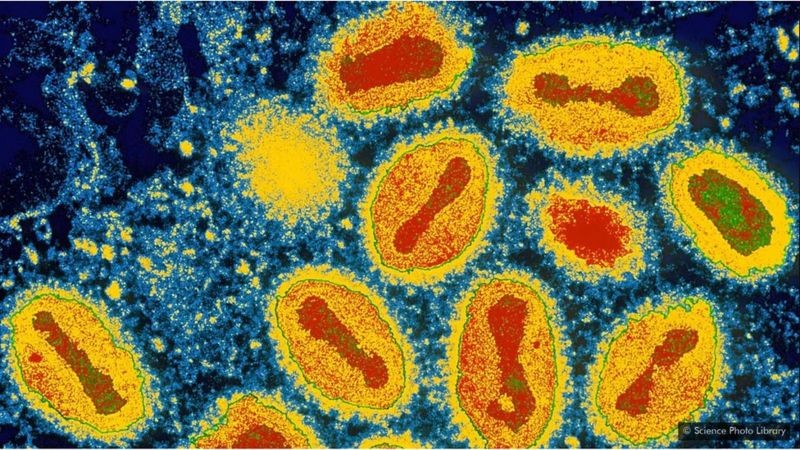
Researchers have retrieved the first direct molecular evidence of smallpox from the ancient DNA of two individuals who died during the early Spanish colonial period in a 16th-century Inca community in northern Chile. These findings provide crucial molecular confirmation of how devastating smallpox was to indigenous populations upon the arrival of Spanish conquistadors in the Americas. The viral DNA was extracted from naturally mummified remains of a woman aged 30-35 and a man aged 18-20, found buried in wool wrappings with funerary objects near the Camarones cove on the Pacific coast. Analysis of the smallpox virus genomes revealed they belonged to an extinct lineage, evolutionarily positioned between medieval European strains and those circulating in later centuries. This extinct lineage suggests a distinct viral presence in the Americas during the initial period of European colonization. The study, published in the journal Science, was led by Bruno Romero González, a geneticist at Trinity College Dublin. The devastating impact of smallpox, along with other infectious diseases, is estimated to have killed up to 90% of indigenous peoples, significantly aiding Spanish conquests of empires like the Aztec and Inca. The rapid and deadly spread of smallpox, characterized by high fevers, pustules, and disfigurement, also had a profound psychological impact, leading many indigenous people to believe their gods had abandoned them. The recovered viral genomes were nearly identical, indicating the victims likely contracted the virus from the same outbreak or strain. Researchers noted that the virus's genetic evolution slowed during the major epidemics following colonization, only to resume after the first vaccine was introduced in 1796, suggesting the virus had reached an optimal evolutionary state for rapid spread in immunologically naive populations.
This research offers a significant scientific validation of the catastrophic demographic impact of European diseases, particularly smallpox, on indigenous American populations during the colonial era. By recovering ancient viral DNA, scientists have moved beyond historical accounts to provide direct molecular evidence of the pathogen's presence and its evolutionary trajectory. This de-emphasizes the narrative of simple conquest and highlights the role of biological factors, specifically the lack of prior immunity in native populations, as a primary driver of population collapse. The findings underscore the long-term evolutionary dynamics of pathogens and their interaction with human populations, a critical consideration as global travel and interconnectedness continue to increase. Understanding these historical patterns of disease transmission and adaptation can inform contemporary public health strategies and our preparedness for future pandemics, especially in a world facing novel viral threats and the potential for accelerated evolution in pathogens.
AI-generated to prompt reflection — not editorial opinion, not advice, not a statement of fact. How this works.