Smart Buoys Deployed in Sabino, Brazil, to Combat Algae Bloom in Tietê River Arm
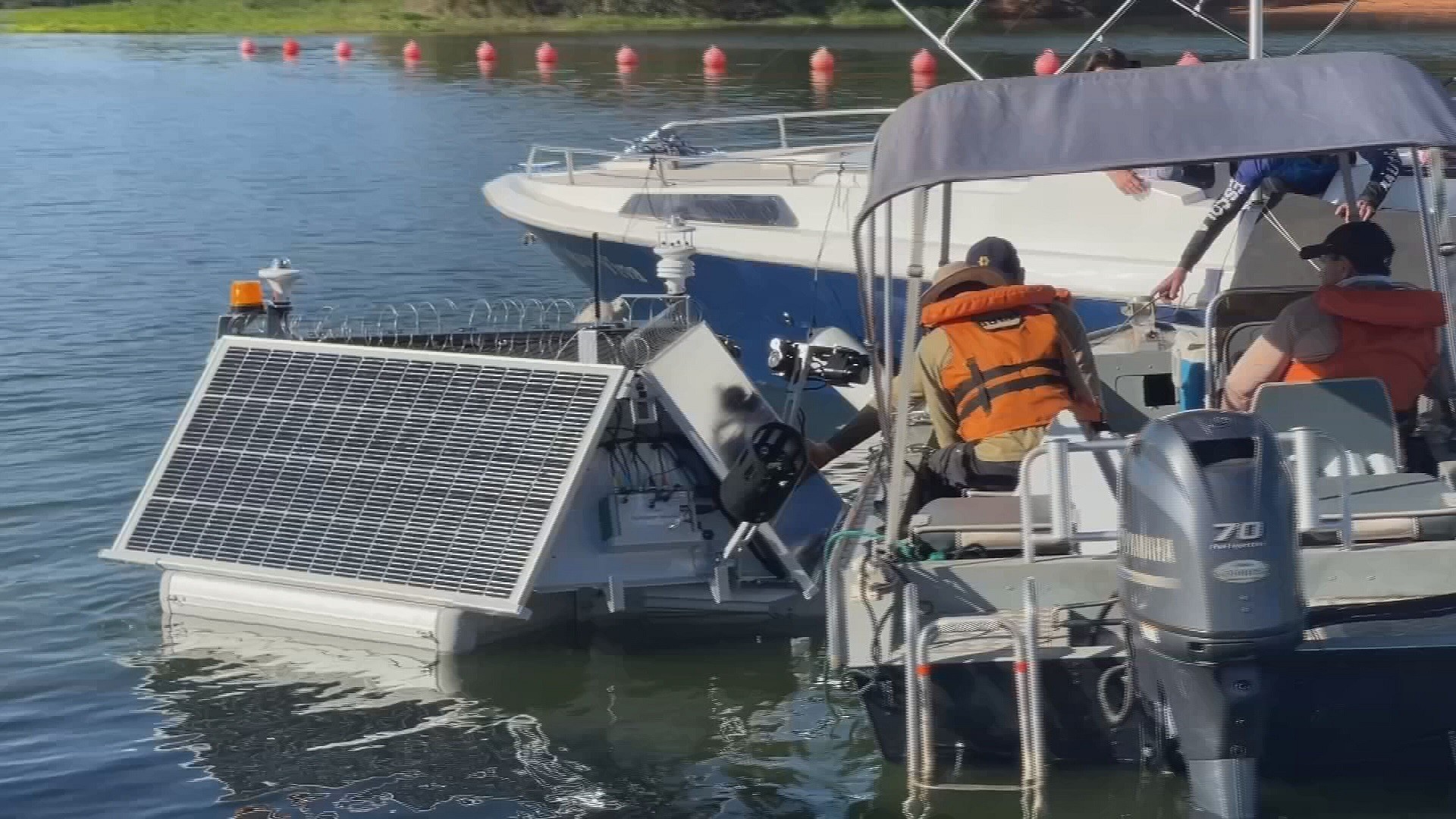
Fourteen smart buoys have been installed in a section of the Tietê River in Sabino, São Paulo, Brazil, as part of a pilot project by the São Paulo State Government. Launched on Monday, May 20th, the initiative aims to curb algae proliferation and improve water quality at the Municipal Beach, a significant tourist attraction. The project covers an area of approximately 960,000 square meters, equivalent to over 130 football fields. These devices were strategically placed in the Córrego do Esgotão, a tributary directly impacting the beach's water quality. According to the State Environmental Company (Cetesb), the buoys emit ultrasound waves to prevent algae from concentrating on the water's surface. This technology effectively reduces the formation of harmful algal blooms, commonly known as 'green scum,' without employing chemical agents or negatively affecting aquatic life. Thomaz Toledo, President of Cetesb, explained that the buoys control algae growth, thereby preventing the presence of toxins that render the water unusable. He emphasized the project's importance for regional tourism and the objective of restoring the river's recreational use. Cetesb anticipates that initial results from the buoys will become visible within approximately 60 days of their activation. In addition to the buoys, the public will be able to monitor the water quality conditions of Sabino's Municipal Beach through Cetesb's dedicated application.
This initiative deploys an innovative technological solution to address a persistent environmental challenge: eutrophication and subsequent algal blooms in freshwater bodies. By utilizing ultrasound technology, the project seeks to mitigate the ecological and economic impacts of poor water quality without resorting to chemical treatments, which can introduce secondary environmental concerns. The success of this pilot program, covering a substantial area, will be crucial in demonstrating the scalability and cost-effectiveness of such smart environmental monitoring and intervention systems. Future considerations should include long-term monitoring of the ultrasound technology's effects on diverse aquatic ecosystems and the potential for broader application across other affected waterways, factoring in the evolving dynamics of climate change and agricultural runoff which often exacerbate these issues.
AI-generated to prompt reflection — not editorial opinion, not advice, not a statement of fact. How this works.