Smart Glasses Users Face Criminal Charges
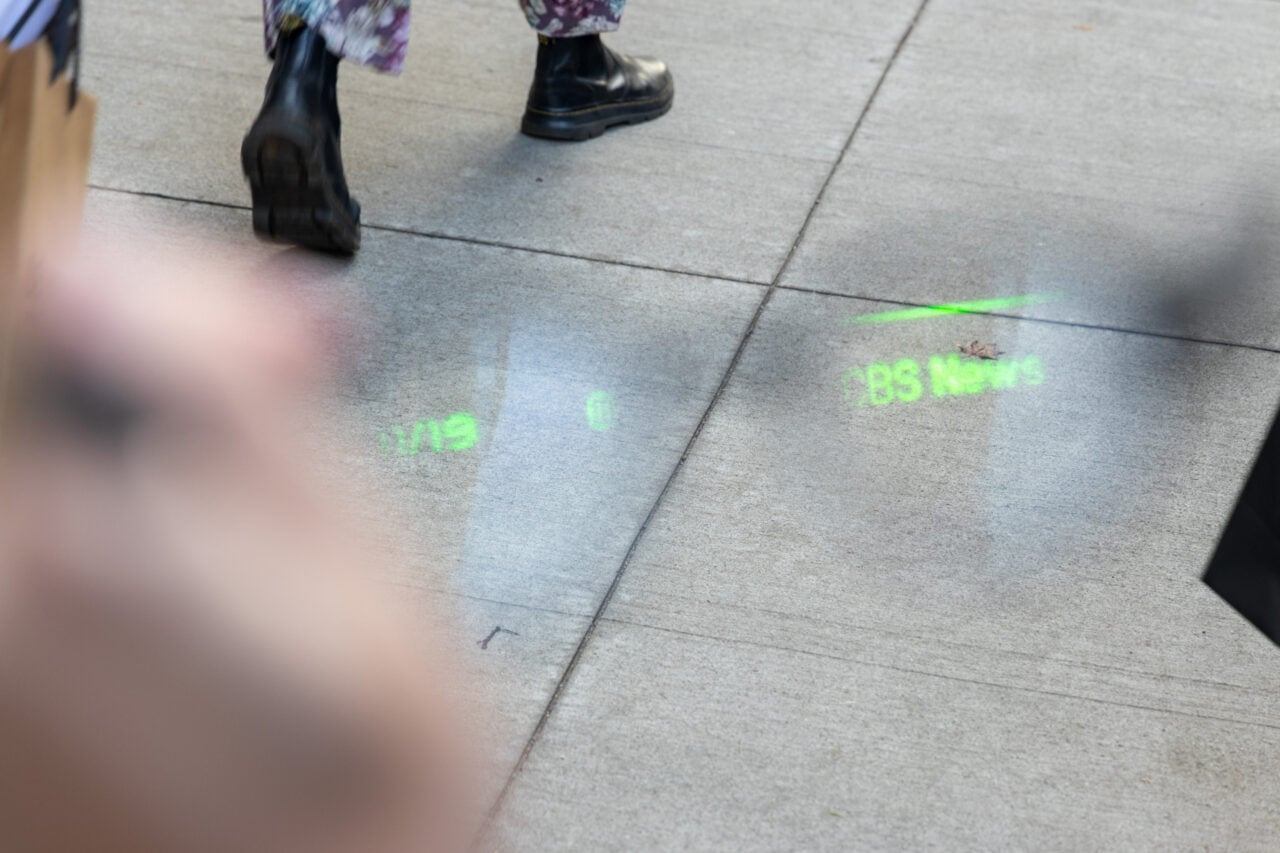
Individuals using smart glasses to gain an unfair advantage in academic settings are now facing criminal charges. This development highlights a growing concern over the misuse of advanced technology in educational environments. The legal ramifications suggest that such technological assistance is being viewed as a form of cheating with serious consequences. Authorities are taking a firm stance against the use of smart glasses for academic dishonesty. This trend indicates a potential shift in how educational institutions and legal systems will address technological aids in the future. Students and test-takers are being warned to reconsider using such devices to ensure academic integrity. The implications extend beyond simple disciplinary actions, now involving the criminal justice system.
The emergence of criminal charges for smart glasses misuse in academic settings signals a critical juncture in the intersection of technology and education. As wearable devices become more sophisticated, their potential for academic dishonesty necessitates a robust response from institutions and legal frameworks. This situation underscores the challenge of defining and enforcing academic integrity in an era of rapidly advancing technology. Future policies will likely need to balance the innovative potential of such devices with the imperative to maintain fair and equitable assessment standards. The legal system's involvement suggests a recognition that technological cheating can undermine the foundational principles of education and meritocracy.
AI-generated to prompt reflection — not editorial opinion, not advice, not a statement of fact. How this works.