Smart Homes: Cost of Automation and Impact on Resale Value
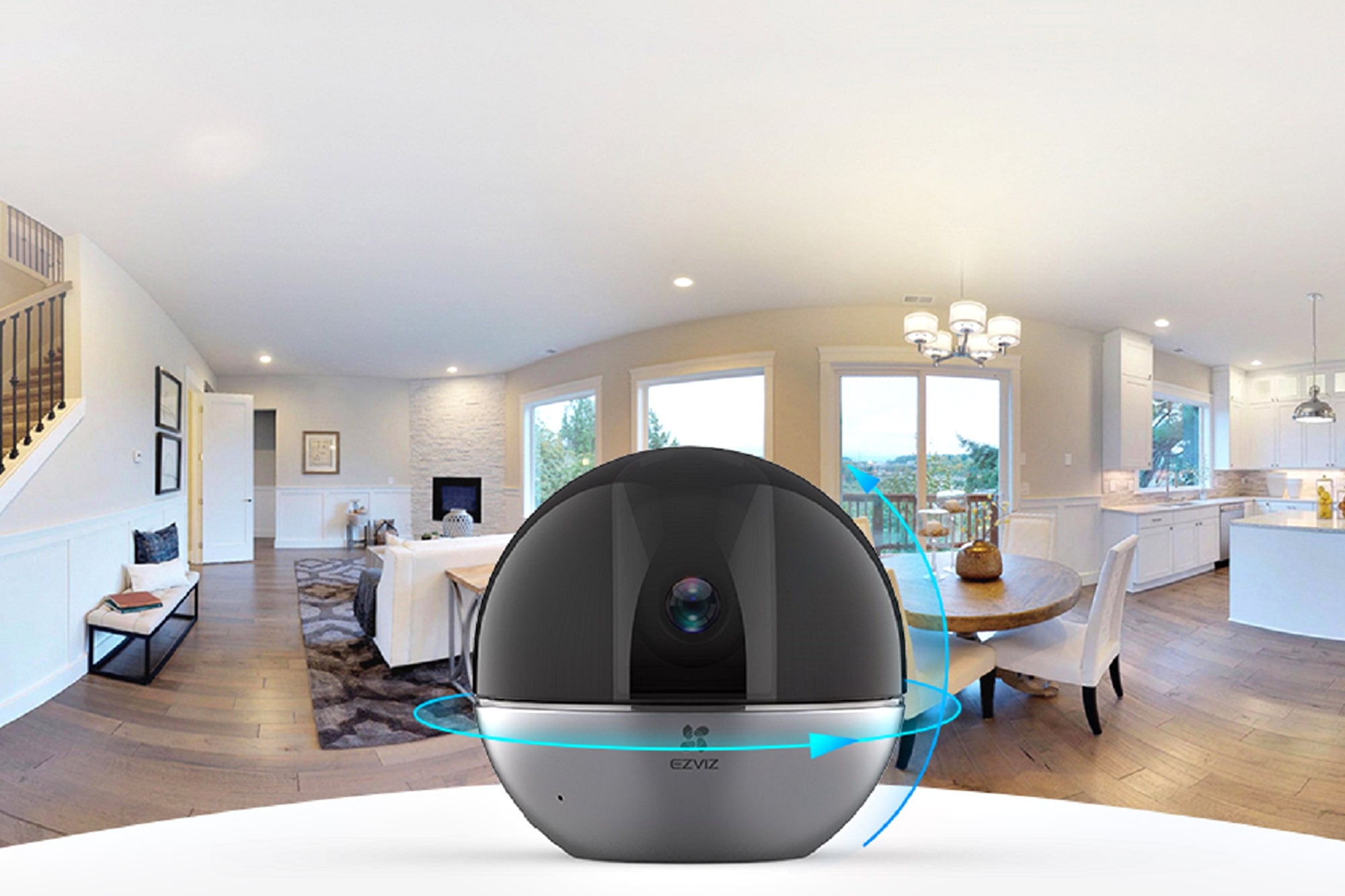
A smart home allows for the remote, integrated, and coordinated management of all its constituent systems. This automation encompasses various aspects of home living, from lighting and climate control to security and entertainment. The primary benefit lies in enhanced convenience and efficiency, enabling homeowners to control their environment from anywhere via smartphone or other connected devices. This integration can lead to significant energy savings through optimized heating, cooling, and lighting usage. Furthermore, smart home technology can bolster security with features like remote monitoring, smart locks, and automated alerts. The initial investment for automating a home can vary widely depending on the extent of the integration and the brands chosen. Basic systems might include smart thermostats and lighting, while comprehensive setups can involve automated blinds, integrated audio-visual systems, and advanced security networks. Beyond the immediate benefits of convenience and efficiency, equipping a home with smart technology can also positively impact its resale value. Potential buyers are increasingly attracted to modern amenities that offer comfort, security, and energy efficiency. A well-integrated smart home system can therefore serve as a significant selling point, potentially commanding a higher market price compared to similar non-automated properties.
The increasing adoption of smart home technology reflects a broader societal trend towards digitalization and automation, driven by consumer demand for convenience, efficiency, and enhanced security. While the initial investment can be substantial, the potential for increased resale value suggests a growing market recognition of these integrated systems as a desirable feature. From a systems perspective, the interoperability and standardization of smart home devices remain critical challenges. Ensuring seamless integration across different brands and platforms will be key to maximizing user experience and long-term value. Looking ahead, the evolution of AI will likely enable more sophisticated predictive and adaptive home environments, further blurring the lines between physical and digital living spaces and potentially creating new valuation metrics for automated properties.
AI-generated to prompt reflection — not editorial opinion, not advice, not a statement of fact. How this works.