Smartphone's Self-Destruct Feature Sparks Legal Battle in US
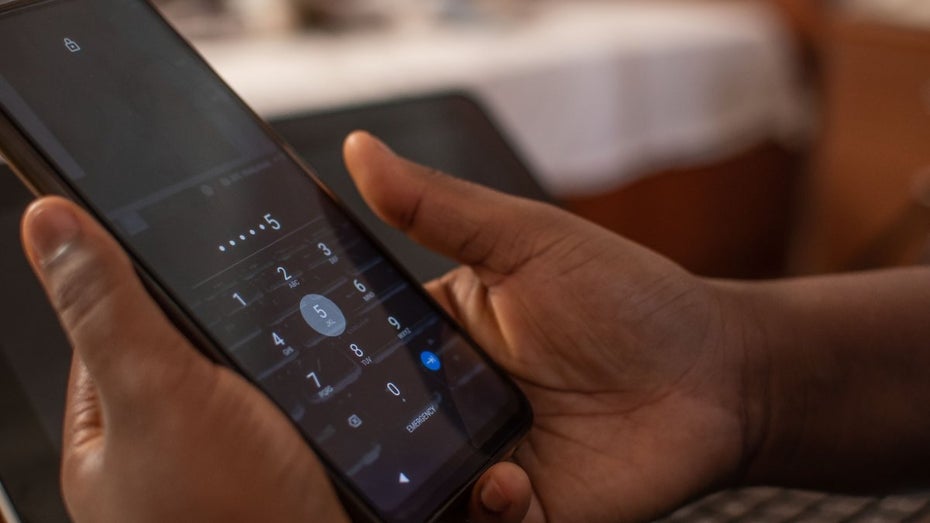
A privacy feature on a smartphone has led to a legal case in the United States, drawing significant attention. The incident involved a man who intentionally erased his entire device using a privacy function. This action prevented law enforcement agencies from accessing the data stored on the phone. Consequently, the U.S. Department of Justice has initiated legal proceedings against him. The specific privacy feature in question is designed to delete all data if a certain number of incorrect PIN attempts are made, a measure intended to protect user information from unauthorized access. However, in this instance, the feature was utilized to obstruct a government investigation. The case highlights the ongoing tension between individual privacy rights and the needs of law enforcement for digital evidence. The outcome of this lawsuit could set a precedent for how such privacy-enhancing technologies are treated in legal contexts.
This case underscores the evolving conflict between digital privacy tools and governmental investigative powers. The smartphone's self-erasure feature, designed to protect user data from unauthorized access, has become a point of contention when used to thwart official investigations. The U.S. Department of Justice's action raises questions about the legal boundaries of such privacy mechanisms and whether their use to obstruct justice is permissible. Future legal frameworks may need to balance the right to data security with the imperative for access to evidence, particularly as technology advances and data becomes increasingly centralized on personal devices. This situation prompts consideration of whether such features should have exceptions for lawful data requests or if their integrity as privacy safeguards must be maintained at all costs.
AI-generated to prompt reflection — not editorial opinion, not advice, not a statement of fact. How this works.