Smartphones Lack Headphone Jacks: Wired Options for Modern Devices
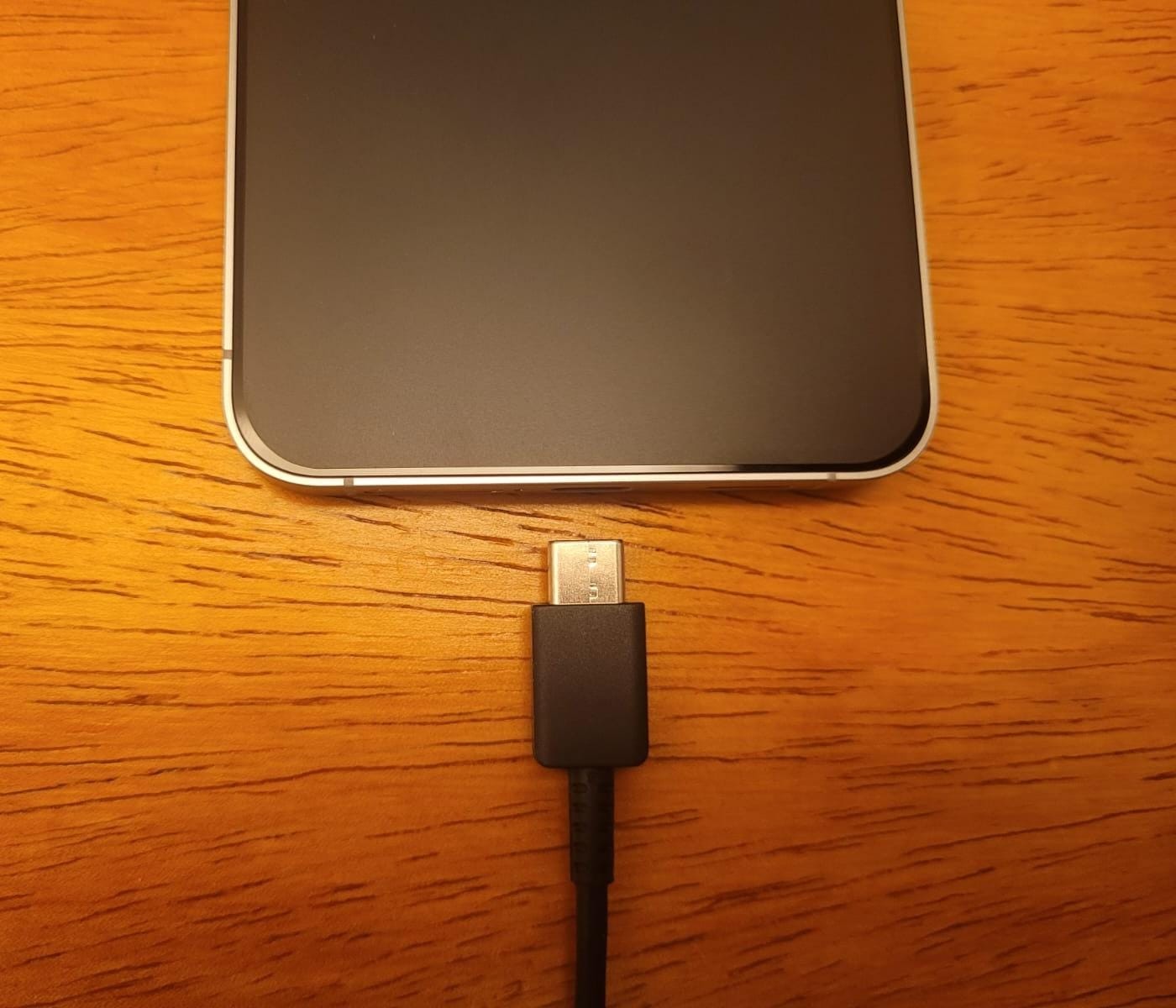
Modern smartphones, particularly high-end models and many basic ones, have largely eliminated the traditional 3.5mm headphone jack (P2). This trend, initiated by Apple and followed by major manufacturers, consolidates the charging and audio port into a single USB-C or Lightning connector. This design change, driven by a desire for thinner devices and the rise of wireless earbuds like AirPods, has led consumers to adapt by adopting Bluetooth headphones or seeking out devices that retain the P2 port. For users who prefer wired headphones but lack a P2 jack, USB-C wired headphones offer a direct connection to the universal charging port. However, this setup prevents simultaneous charging and audio playback. Another option for those concerned about losing individual earbuds are Bluetooth in-ear headphones connected by a cable, which are less prone to being misplaced but still require battery power. The article lists several wired headphone options compatible with USB-C ports, priced between R$40 and R$200, with prices checked in July from major online retailers. Featured models include the Apple EarPods USB-C, JBL Tune 310C USB-C, JBL Tune 135BT (Bluetooth), Lity F11P USB-C, and Samsung AKG USB-C.
The gradual removal of the 3.5mm headphone jack from smartphones reflects a broader industry shift towards miniaturization and wireless connectivity, driven by consumer electronics trends and a desire for integrated ecosystems. While this design choice offers aesthetic and space-saving benefits, it creates a trade-off for consumers who value wired audio fidelity, cost-effectiveness, and the convenience of simultaneous charging and listening. The market is responding with a variety of adapter solutions and new headphone designs, highlighting the ongoing tension between technological advancement and user-centric design considerations. This transition also raises questions about e-waste and the long-term sustainability of requiring separate, often proprietary, accessories for basic functionalities.
AI-generated to prompt reflection — not editorial opinion, not advice, not a statement of fact. How this works.