Smartwatches and AI Could Soon Detect Early Illness Signs
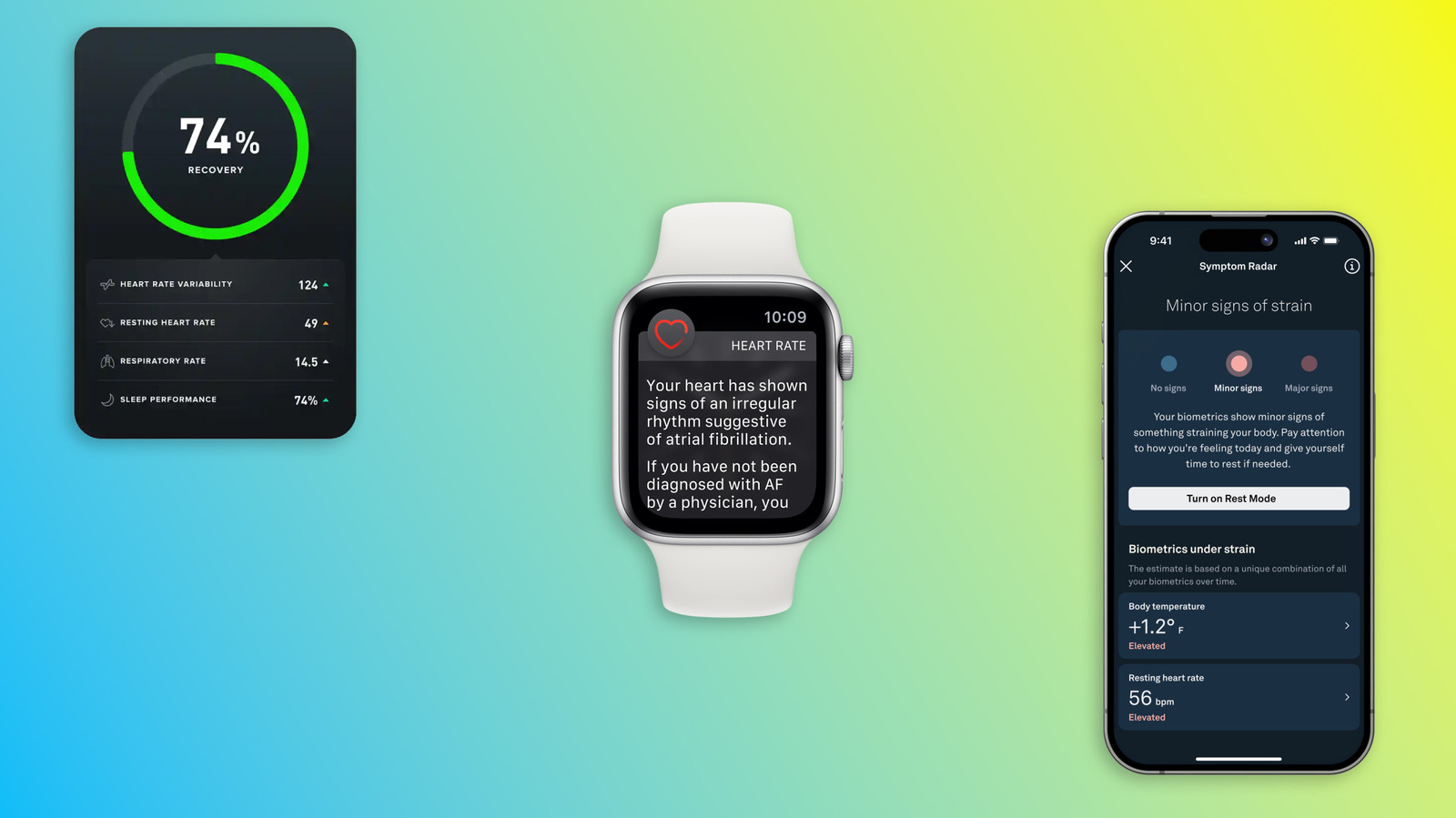
Wearable devices, such as smartwatches, are becoming increasingly adept at identifying deviations from an individual's typical physiological patterns. These detected anomalies, or outliers, can serve as early indicators that a person's health may warrant further medical investigation. By continuously monitoring metrics like heart rate, sleep patterns, and activity levels, these devices can establish a personalized baseline for each user. When significant departures from this baseline occur, it can signal the potential onset of an illness or a change in health status. This technology aims to provide users and their healthcare providers with proactive alerts, enabling earlier diagnosis and intervention. The integration of artificial intelligence further enhances the ability of these wearables to interpret complex data and identify subtle changes that might otherwise go unnoticed. Ultimately, the goal is to leverage these advanced monitoring capabilities to improve health outcomes through timely medical attention.
AI-powered wearables offer a promising avenue for proactive health monitoring by identifying personal physiological deviations. This approach shifts healthcare towards early detection, potentially reducing the burden of advanced disease. However, the efficacy hinges on robust algorithms that minimize false positives, which could lead to unnecessary medical anxiety and resource strain. Furthermore, equitable access to these technologies and the secure, ethical handling of sensitive health data are critical considerations for widespread adoption. The long-term impact will depend on seamless integration with clinical workflows and the development of clear guidelines for interpreting wearable-generated alerts, ensuring they augment, rather than replace, professional medical judgment.
AI-generated to prompt reflection — not editorial opinion, not advice, not a statement of fact. How this works.