Smartwatches for Health: How Reliable Are They?
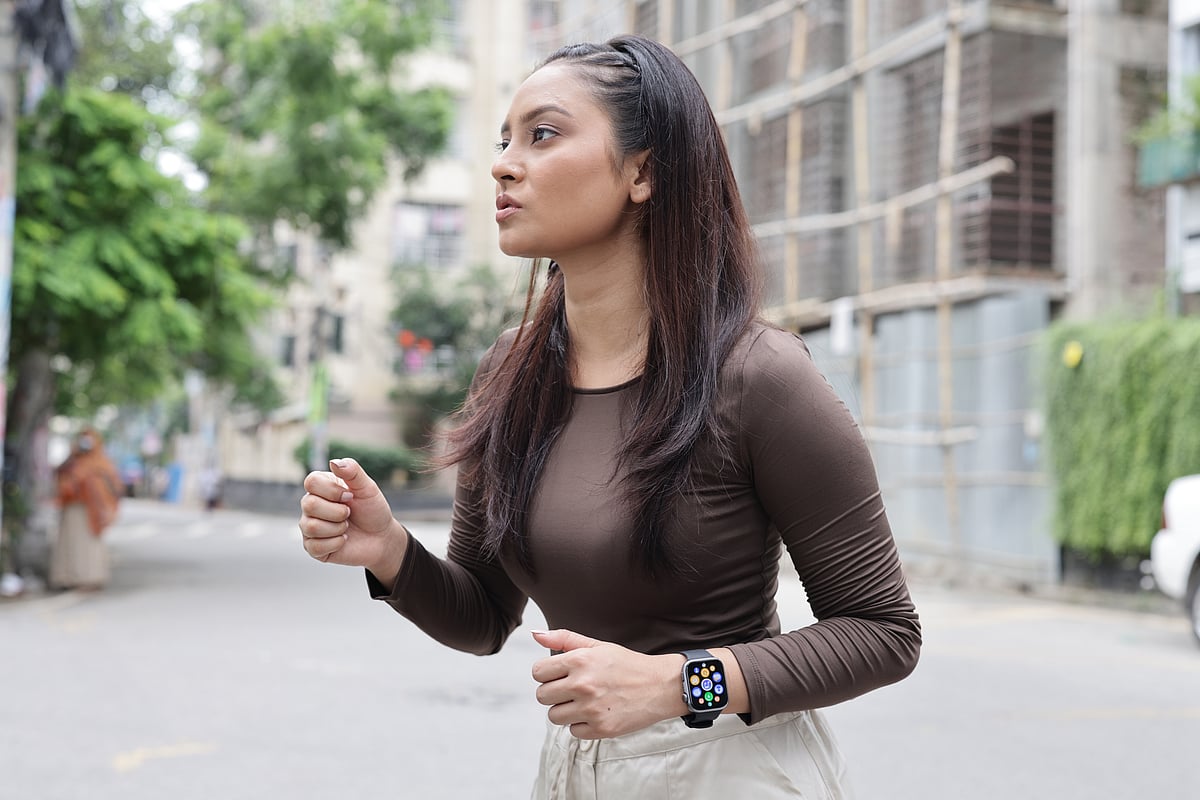
The use of smartwatches and wearable devices for health monitoring is increasing, offering potential benefits if the devices are of good quality. However, it's important to recognize that the data provided by these gadgets may not always be 100% accurate. These devices can help users track daily calorie expenditure, encouraging them to increase their activity levels and monitor if their exercise intensity is decreasing. They can also sync with smartphones, allowing users to consult a doctor if any readings appear abnormal, such as excessive strain on the heart during exercise, especially for individuals with pre-existing cardiac conditions.
Beyond just step counting, smartwatches can provide insights into distance covered and calorie burn, though accurate calorie tracking requires input of personal data like weight and gender. They also monitor heart rate, a crucial metric for gauging exercise intensity and ensuring adherence to recommended weekly physical activity guidelines of 150 minutes of moderate or 75 minutes of vigorous exercise. Some devices can even track the recovery rate of heart rate after exercise, with a decrease of at least 20 beats per minute considered a sign of good health. Sleep tracking is another feature, recording duration and movement, but it may not offer deep insights into sleep disorders.
Certain advanced devices offer estimates of VO2 Max, and significant daily drops in this metric might warrant expert consultation. More critically, some smartwatches can detect emergencies like heart attacks or arrhythmias and even perform on-the-spot ECGs. They can also send distress signals if a user is incapacitated in a remote location. When choosing a device, it's advisable to opt for reputable brands. However, it's crucial to understand that wrist-worn devices do not provide accurate blood pressure readings. Features like sedentary reminders, GPS for cycling, and altimeters for tracking stairs or hills can add value, but users should remember that 'water-resistant' does not mean 'waterproof' for activities like swimming. Ultimately, while smartwatches can be helpful companions in a wellness journey, users should not become entirely dependent on them and must continue to listen to their bodies.
Wearable health technology presents a dual-edged sword, offering unprecedented personal data streams while necessitating critical interpretation. The increasing reliance on these devices for health metrics, from calorie burn to heart rate, highlights a societal shift towards quantified self-improvement. However, the inherent limitations in sensor accuracy and algorithmic interpretation mean that these gadgets function best as trend indicators rather than definitive diagnostic tools. Over-reliance risks creating anxiety or false reassurance, potentially delaying necessary medical consultation. Future iterations will likely see improved accuracy and integration with broader healthcare systems, but the fundamental challenge will remain: empowering users to understand the context and limitations of the data, fostering a balanced approach that complements, rather than replaces, professional medical advice and intuitive self-awareness.
AI-generated to prompt reflection — not editorial opinion, not advice, not a statement of fact. How this works.