Smuggled Iranian Oil Influx Down 60%, Sources Claim After Tanker Attacks
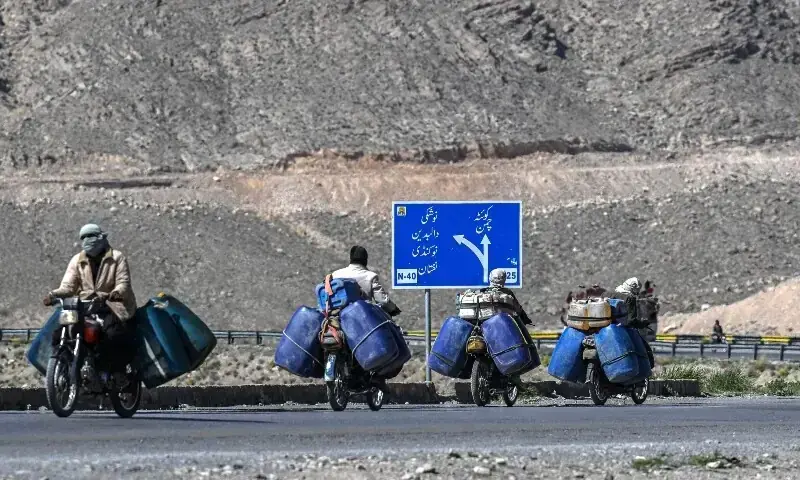
Sources within the oil sector report a significant 60% decrease in the flow of smuggled Iranian oil into Pakistan. This decline is attributed to recent attacks on at least six oil tankers originating from Iran, which were reportedly destroyed by terrorists in Balochistan over the past month and a half. While the exact number of destroyed tankers is unconfirmed, the incidents have caused substantial losses for those involved in the illegal trade. The influx of Iranian petroleum products had previously increased following the US-Israeli conflict with Tehran, which pushed global crude oil prices above $100 per barrel. This surge in smuggling had provided a crucial, albeit illegal, supply of fuel to regions like Balochistan, Sindh, and potentially Punjab, helping Pakistan avoid the rationing experienced by neighboring countries such as India, Bangladesh, and Sri Lanka. Despite the reduction, Pakistan's official petroleum imports remain substantial, with $16.86 billion spent in FY26, representing 22% of the total import bill. The illegal trade with Iran is estimated to be worth over $2 billion annually, encompassing various goods beyond petroleum. Some in the trade and industry circles believe authorities may have previously tolerated oil smuggling to mitigate potential shortages during the conflict and to shield consumers from price hikes, a strategy that has apparently succeeded in preventing a crisis.
The reported 60% reduction in smuggled Iranian oil, linked to alleged terrorist attacks on tankers, highlights the complex geopolitical and economic dynamics influencing regional energy flows. The narrative suggests a potential, albeit unconfirmed, tacit acceptance of this illicit trade by Pakistani authorities during periods of heightened global energy price volatility and conflict, possibly as a buffer against official supply disruptions and to manage domestic price pressures. This situation underscores the systemic vulnerability of nations heavily reliant on imported fuel and the intricate, often opaque, interplay between state interests, illicit markets, and international security concerns. Looking ahead, the reliance on such informal supply chains presents inherent risks, including exposure to violence and market manipulation, and raises questions about long-term energy security strategies in an era of increasing global instability and evolving energy transitions.
AI-generated to prompt reflection — not editorial opinion, not advice, not a statement of fact. How this works.