Snake in Belgian Zoo Gives Birth to 12 Offspring Without a Male, Named Maria
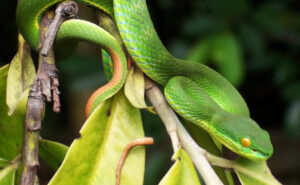
A female bamboo pit viper (Trimeresurus albolabris) at the 'Pakawi Park' zoo in Olmen, Belgium, has given birth to 12 young. This event is exceptionally rare, as the snake had been housed without a male for many years. Veterinarian Tim Bouts became suspicious of the unusual occurrence when keepers informed him about the snake, which has been named Maria. The naming is a reference to the concept of immaculate conception, highlighting the extraordinary nature of the birth. This phenomenon, known as parthenogenesis, is a form of asexual reproduction where an embryo develops from an unfertilized egg. While documented in various reptile species, it is seldom observed in snakes, especially in a zoo environment. The zoo is closely monitoring Maria and her offspring to understand this rare biological event further. The successful birth of 12 live young through parthenogenesis presents a unique case study for herpetologists and reproductive biologists.
The birth of 12 viper offspring from a female snake without male contact points to parthenogenesis, a rare but documented form of asexual reproduction. This biological phenomenon, while fascinating, underscores the resilience and adaptability of life's reproductive strategies. From a systems perspective, such events can prompt deeper investigation into the genetic mechanisms that enable unfertilized eggs to develop, potentially offering insights into evolutionary biology and conservation efforts for species with limited breeding opportunities. Understanding the environmental or physiological triggers for parthenogenesis could inform future management of captive populations, ensuring genetic diversity and species survival.
AI-generated to prompt reflection — not editorial opinion, not advice, not a statement of fact. How this works.