Snake Swims Past Tourist at Brazil's Chapada dos Veadeiros Waterfall
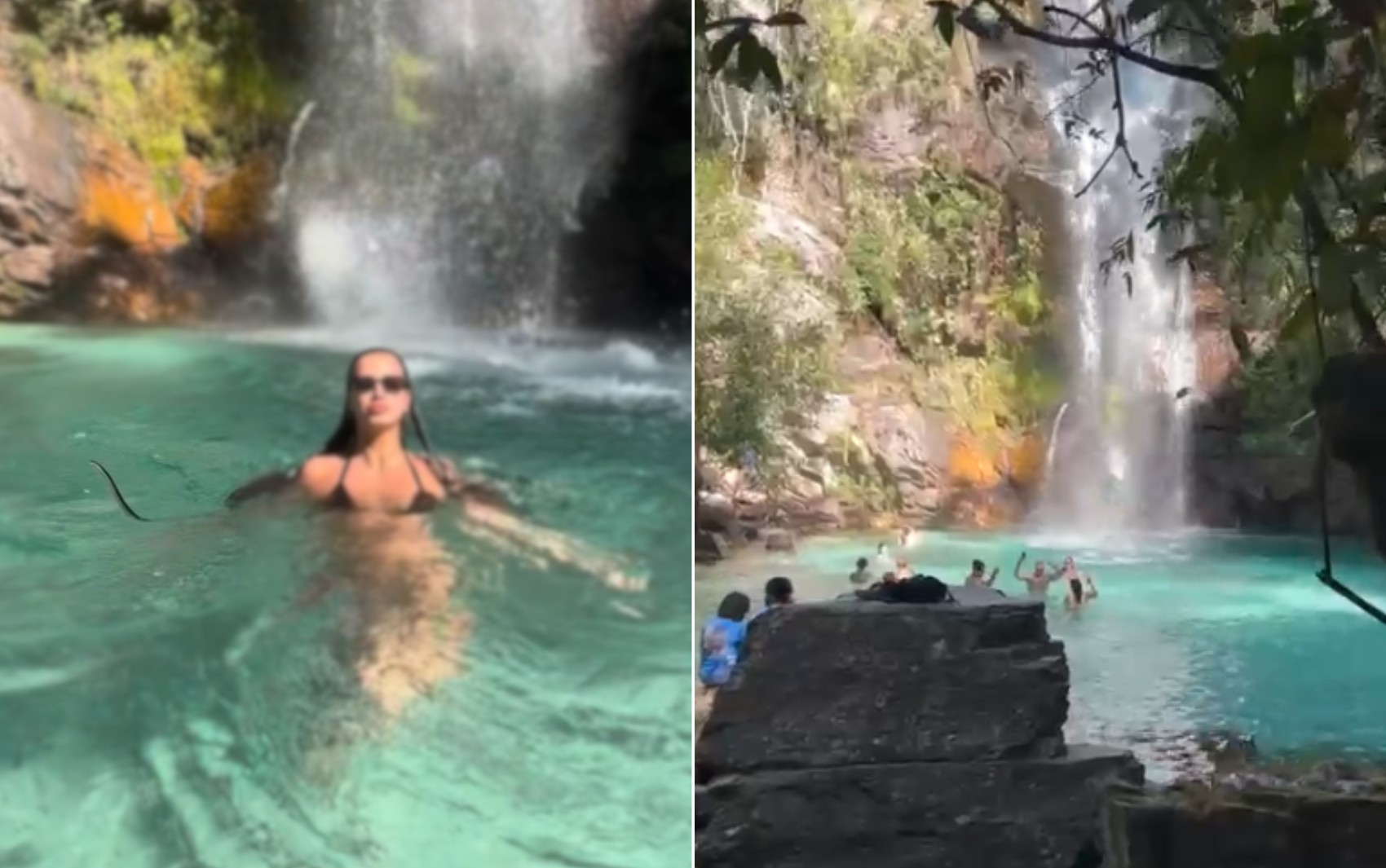
A tourist enjoying a bath at the Santa Bárbara Waterfall in Cavalcante, within Brazil's Chapada dos Veadeiros National Park, had a close encounter with a non-venomous snake. The incident, captured on video by tour guide Renato Teixeira and shared on Sunday, May 5th, shows the serpent swimming calmly past the woman. Initially, the tourist, identified as Mariana Picolo from Rio de Janeiro, mistook the snake for a tree branch. She only realized its presence when it was very close, leading to a startled scream. The snake, described as slender with an elongated body and head, did not display aggressive behavior and continued on its way without incident, and no one was injured. Internet users humorously reacted to the video, with comments like 'Let the diva pass.' Teixeira explained that such encounters are possible as Chapada dos Veadeiros is a protected Cerrado area and a natural habitat for many species. He emphasized the importance of respecting wildlife and advised visitors to maintain distance and avoid interacting with animals, stating, 'Respect for fauna is fundamental for everyone's safety.' Biologist Edson Abrão, while unable to definitively identify the species from the video, noted its resemblance to a false coral snake and confirmed it was not venomous based on its physical characteristics. He cautioned that even non-venomous snakes can bite if provoked, potentially causing infection, and reiterated that humans are visitors in the animals' natural environment.
This incident highlights the inherent tension between human recreational activities and the preservation of natural habitats. While the encounter was uneventful, it underscores the need for robust visitor education and management strategies in protected areas like Chapada dos Veadeiros. The park's status as a wildlife sanctuary means that human presence is an intrusion, and adherence to safety protocols, such as maintaining distance from fauna, is paramount. Future planning should consider how to minimize human impact on ecosystems while facilitating responsible ecotourism, potentially through enhanced signage, guided tours emphasizing wildlife etiquette, and clear communication of risks and best practices to visitors. This approach balances conservation goals with economic benefits derived from tourism, ensuring the long-term sustainability of both the environment and the local communities that depend on it.
AI-generated to prompt reflection — not editorial opinion, not advice, not a statement of fact. How this works.