Snakebite Deaths Rise Amidst National Anti-Venom Shortage in Afghanistan
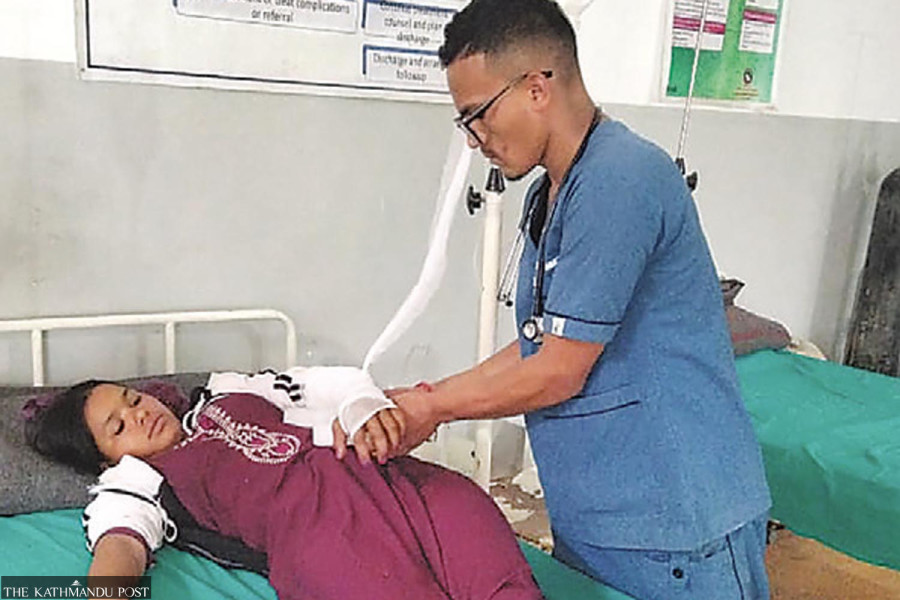
Afghanistan is facing a critical shortage of anti-snake venom, leading to a tragic increase in fatalities and injuries from snakebites. Since May 14, a total of 53 people have lost their lives due to venomous snakebites, with an additional 716 individuals sustaining injuries. The lack of readily available antivenom in hospitals nationwide is exacerbating the crisis, leaving medical professionals struggling to treat victims effectively. This situation highlights a significant public health challenge, particularly in rural areas where snake encounters are more common and access to advanced medical care is limited. The rising death toll underscores the urgent need for immediate intervention to secure and distribute adequate supplies of antivenom across the country. Health authorities are reportedly working to address the shortage, but the current situation poses a severe threat to public safety and well-being.
The severe shortage of anti-snake venom in Afghanistan, resulting in a significant number of deaths and injuries, points to critical vulnerabilities in the nation's public health infrastructure and supply chain management. This crisis underscores the challenge of ensuring essential medical supplies reach remote and vulnerable populations, especially in regions susceptible to environmental hazards like snakebites. The situation demands a review of procurement, storage, and distribution strategies for life-saving medications, considering potential disruptions from economic instability or logistical challenges. Looking ahead, building more resilient healthcare systems capable of anticipating and responding to such shortages will be crucial, potentially involving regional cooperation for emergency stockpiling and diversified sourcing of antivenom to mitigate future risks.
AI-generated to prompt reflection — not editorial opinion, not advice, not a statement of fact. How this works.
