SNCF Cancels Intercités and TER Train Departures Across France Due to Heatwave
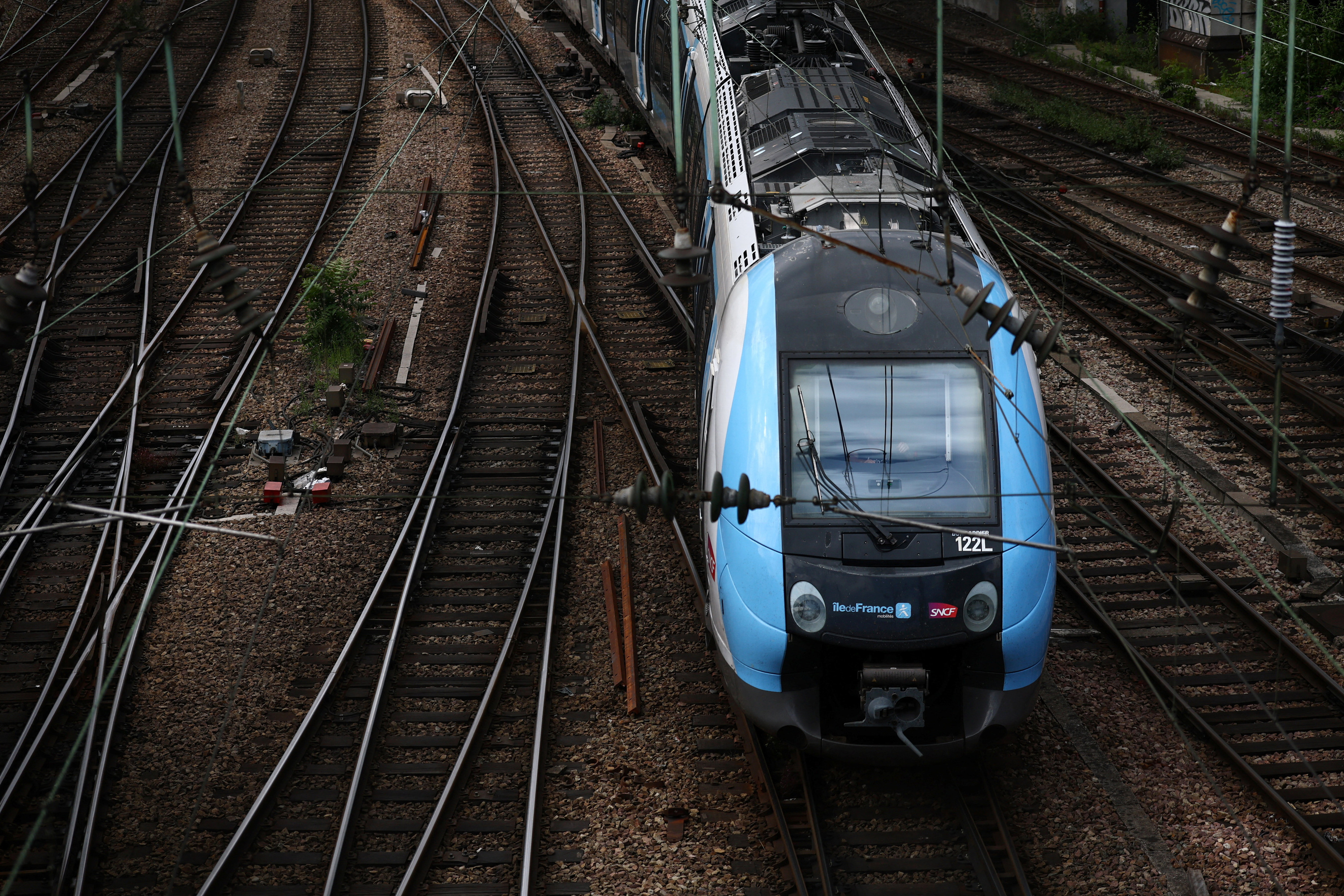
The French national railway company, SNCF, has announced the cancellation of a significant number of train departures across France this week due to the ongoing heatwave. Approximately one-quarter of all Intercités train services nationwide will be affected. Additionally, TER (regional express train) services are experiencing cancellations in regions where exceptionally high temperatures are being recorded. The cancellations are a direct response to the extreme weather conditions impacting the country. This measure aims to ensure the safety of passengers and infrastructure, as high temperatures can affect train operations and track integrity. Travelers are advised to check the SNCF website or app for the latest information on their specific journeys. The company is implementing these measures to mitigate potential risks associated with operating trains in extreme heat. Further updates on the extent and duration of these cancellations are expected as the weather situation evolves.
The SNCF's decision to cancel train services highlights the growing vulnerability of critical infrastructure to climate change impacts. As heatwaves become more frequent and intense, transportation networks face operational challenges that necessitate proactive risk management. This situation underscores the need for long-term investment in climate-resilient infrastructure and adaptive operational strategies. The cancellations, while disruptive, represent a trade-off between immediate service continuity and the imperative of ensuring safety and preventing potential damage. Looking ahead, the railway sector will need to balance the demands of increased mobility with the environmental realities of a warming planet, potentially leading to shifts in scheduling, infrastructure upgrades, and passenger expectations regarding service reliability during extreme weather events.
AI-generated to prompt reflection — not editorial opinion, not advice, not a statement of fact. How this works.